Setting up Camp on a Gold Mining Site
When setting up camp for gold mining and prospecting, there are several important factors to consider. First and foremost, you need to find a suitable location with potential for gold mining. Once you’ve identified a potential site, follow these steps to set up camp:
Location: Choose a flat, elevated spot that is easily accessible during all seasons. Avoid areas with large trees, as these can cause damage to your equipment and structures. Ensure the site is above the floodplain and at least 50 meters from any watercourse to prevent contamination and avoid sudden flooding. Check for stable ground that can support heavy equipment and vehicles. Orient your camp so that prevailing winds carry dust and noise away from living quarters. Mark out distinct zones forsleeping, cooking, equipment storage, and processing ore. If you plan to stay for more than a few weeks, consider building apermanent or semi-permanent foundation using gravel or wooden platforms to keep gear off the damp ground.
Water and Sanitation: Access to clean water and adequate sanitation is crucial for gold prospecting. Install a water tankfor washing and drinking, and a latrine for human waste disposal. Store at least 20 liters of drinking water per person per day. Use a water filtration and purification system if natural sources are uncertain. For sanitation, dig the latrine at least 30 meters downhill and away from any water source. Provide ahandwashing station with soap and sanitizer near the latrine and cooking area. Set up a separate greywater disposal pit for kitchen and washing runoff. Never discharge mining wastewater directly into streams; use settling ponds or containment tanks.
Protection from Elements: Set up a shelter or roofto protect against rain, wind, and sun. A strong tent or a portable cabin will provide adequate protection for your equipment and living space. Reinforce tent stakes and guy lines; usesandbags or heavy rocks as anchors in exposed areas. Add arain fly or tarp over sleeping areas and a shade net for daytime heat. In cold climates, include a wood stove or portable heater with proper ventilation. Keep a fire extinguisher and first aid kit inside the shelter. For long-term camps, build a raised wooden floor to insulate against ground moisture and cold.
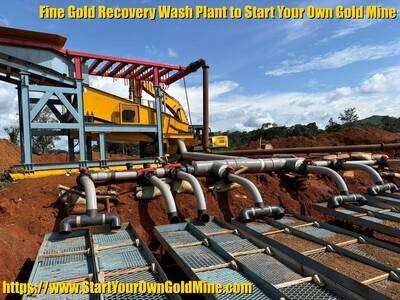
Equipment and Tools: Bring all necessary gold prospecting equipment, including screens, sluices, shovels, wheelbarrows,protective gear, classifier sets, gold pans, magnets, vials,melting furnace, and balance scale. Also include pickaxes, rock hammers, crowbars, suction dredges or highbankers if permitted, hoses and pumps for water transfer, bucket organizers, snuffer bottles, tweezers, and jewelry loupes for fine gold recovery. Carry spare parts for pumps and sluices, extra screens, and a tool kit with wrenches, pliers, and duct tape. Store fuels and lubricants in approved safety containers away from living areas.
Mining Tools: Hiring cook and a cook’s equipment can significantly reduce the workload and add convenience for the prospector. Also consider hiring a local guide familiar with the terrain, regulations, and water sources. A security guard may be necessary in remote or high-value areas. For larger operations, bring in a mechanic to maintain pumps andmachinery, and a medically trained person for emergencies. Ensure all hired personnel have clear roles, schedules, and safety briefings. Provide them with adequate shelter, food, and communication tools.
Storage: Use safe boxes and padlocks to protect your valuablesand ensure they remain secure during your stay. Store gold concentrates and recovered gold in a locked safe bolted to a solid structure. Keep tools and equipment in a locked container or shed when not in use. Label all storage boxes and maintain an inventory list. For hazardous materials, use ventilated storage cabinets. Protect electronics and documents from moisture with waterproof cases and desiccant packs. Consider a security camera or motion sensor if the site is isolated.
Communication and Navigation: Bring GPS devices and mobile phones with 5G to stay connected and navigate the area. Always carry a map or a compass for navigation. Add a satellite communicator or personal locator beacon for areas without cell coverage. Keep a two-way radio set for camp-wide communication. Program emergency contacts and local authorities into all devices. Carry a power bank or solar charger to keep devices running. Mark your camp location on maps and share it with a responsible person outside the site. Check weather forecasts regularly using a portable weather radio.
Administrative Documents: Keep all necessary administrative documents, such as permits and licenses, in order tolegally operate a gold mining site. This includes mining claims, environmental permits, water use permits, andland access agreements. Carry copies in a waterproof document folder and store digital scans in a secure cloud account. Display required permits visibly at the camp. Keep records of gold recovered, hours worked, and any incidents. Familiarize yourself with local mining laws, reclamation requirements, and protected areas. Maintain insurance documents for equipment and personnel.
By following these guidelines and bringing the appropriate equipment and tools, you’ll be well on your way to setting up a successful gold mining and prospecting operation. Remember to prioritize safety, sustainability, and environmental responsibility in your decision-making process. Happy prospecting!
 Telegram at username
@rcdrun
Telegram at username
@rcdrun WhatsApp Business