Lost Gold of Busia: The Silent, Dust‑Laden Tailings Heaps of Uganda’s Artisanal Gold Rush
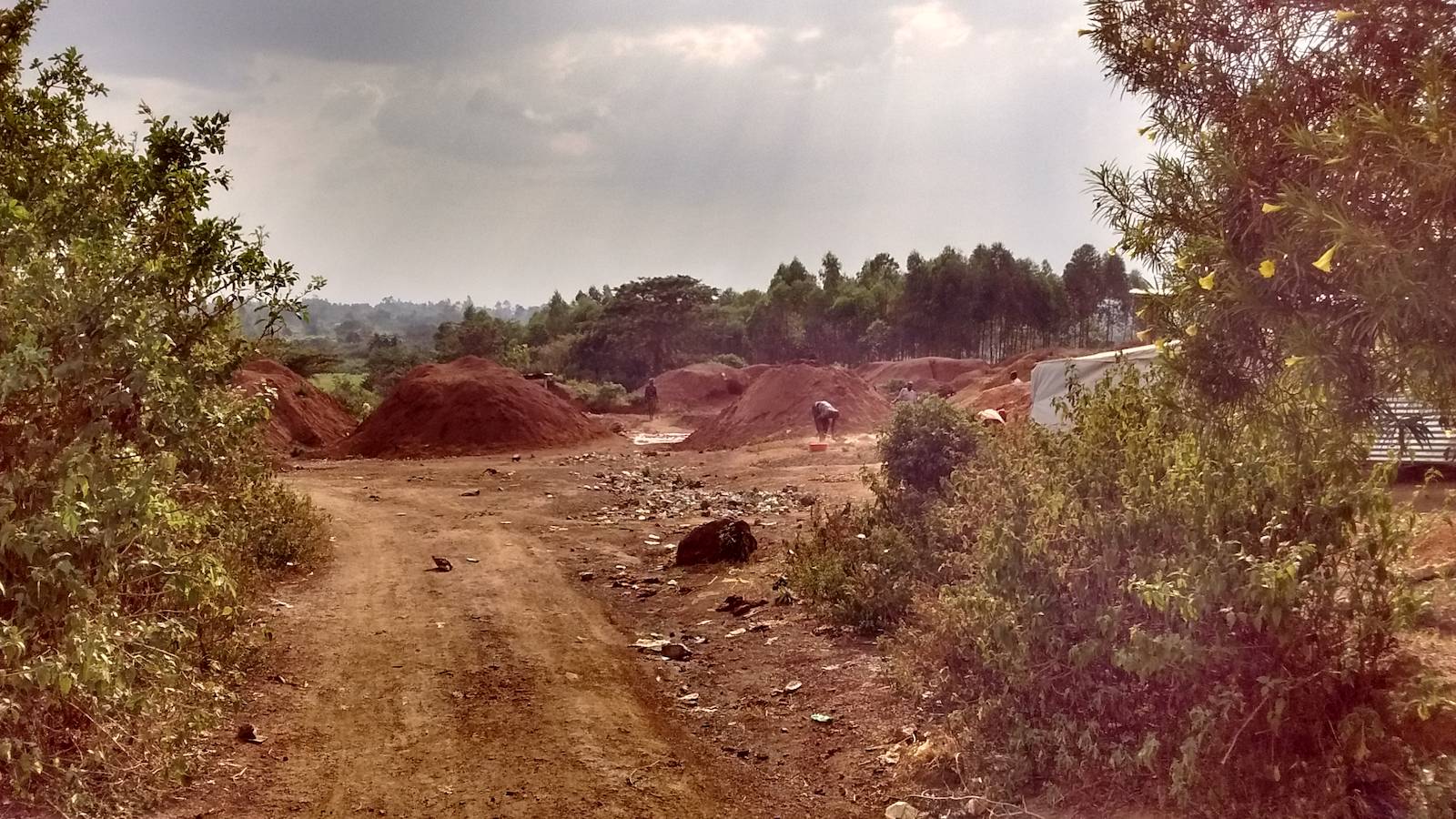
In the rolling highlands of Busia, Uganda, the landscape is punctuated by a series of towering tailings heaps that rise like jagged, rust‑colored cliffs against the blue horizon. These mounds, the remnants of years of artisanal mining, are the silent testimony of a gold rush that has left more than just gleaming nuggets in the ground. Each heap is a chaotic blend of pulverized stone, clay, and the fine, glittering particles of gold that never quite made it into the pans.
The gold that slips away begins long before the tailings are even formed. Miners, often working with limited resources, transport ore in sun‑bleached gunny bags—known locally as gunia in Swahili—through dusty roads and winding paths. The porous nature of these bags means that 20% to as much as 50% of the precious metal is lost to the ground as the bags are handled, opened, and re‑packed. The loss is compounded by the frequent use of mercury in the amalgamation process; a small splash of mercury can bind with gold, rendering it invisible to the naked eye. Even after the mercury is removed, another 20% of gold can be lost during the washing and separation stages because the mercury‑bound particles settle in the tailings rather than being recovered.
What remains on the heaps is a fine, dusty powder that glints faintly in the sun—a mixture of gold, iron oxides, and other minerals. The tailings themselves have become a business of their own. Small enterprises, often family‑run, set up makeshift sluice boxes and pan‑pans at the base of the heaps, hoping to sift out the remaining gold. They employ a range of techniques—from simple gravity separation to more sophisticated cyanidation in improvised tanks—to recover the precious metal that has been left behind. The process is labor‑intensive and costly, yet the promise of even a few grams of gold keeps the cycle of mining and tailing processing alive.


 Telegram at username
@rcdrun
Telegram at username
@rcdrun WhatsApp Business