Mixing the smple on table oilcloth, nylon or plastic canvas
This series of pictures will demonstrate how to mix the sample on the table oilcloth, nylon or plastic canvas. The procedure is standard, hundred yeasr old yet not as known and practiced by small scale miners in Africa.
Method of mixing with table oilcloth, plastic canvas or nylon
Place the sample in the center of the table oilcloth
Place the sample in the center of the table oilcloth and start rolling the square from one side to other, hold the sides or corners from and other side and by rolling motion, mix the sample, exchange the corners and mix the sample again.
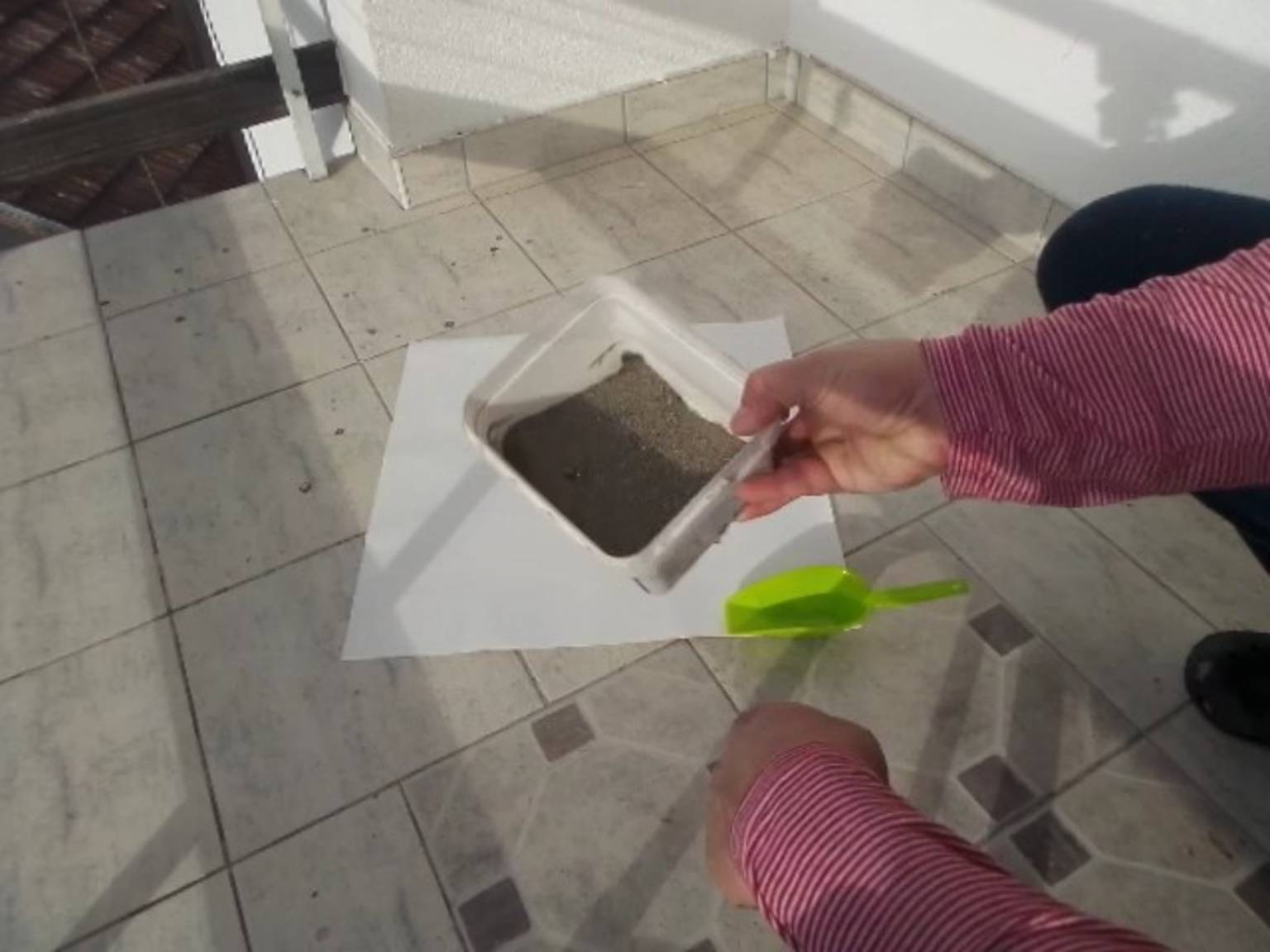
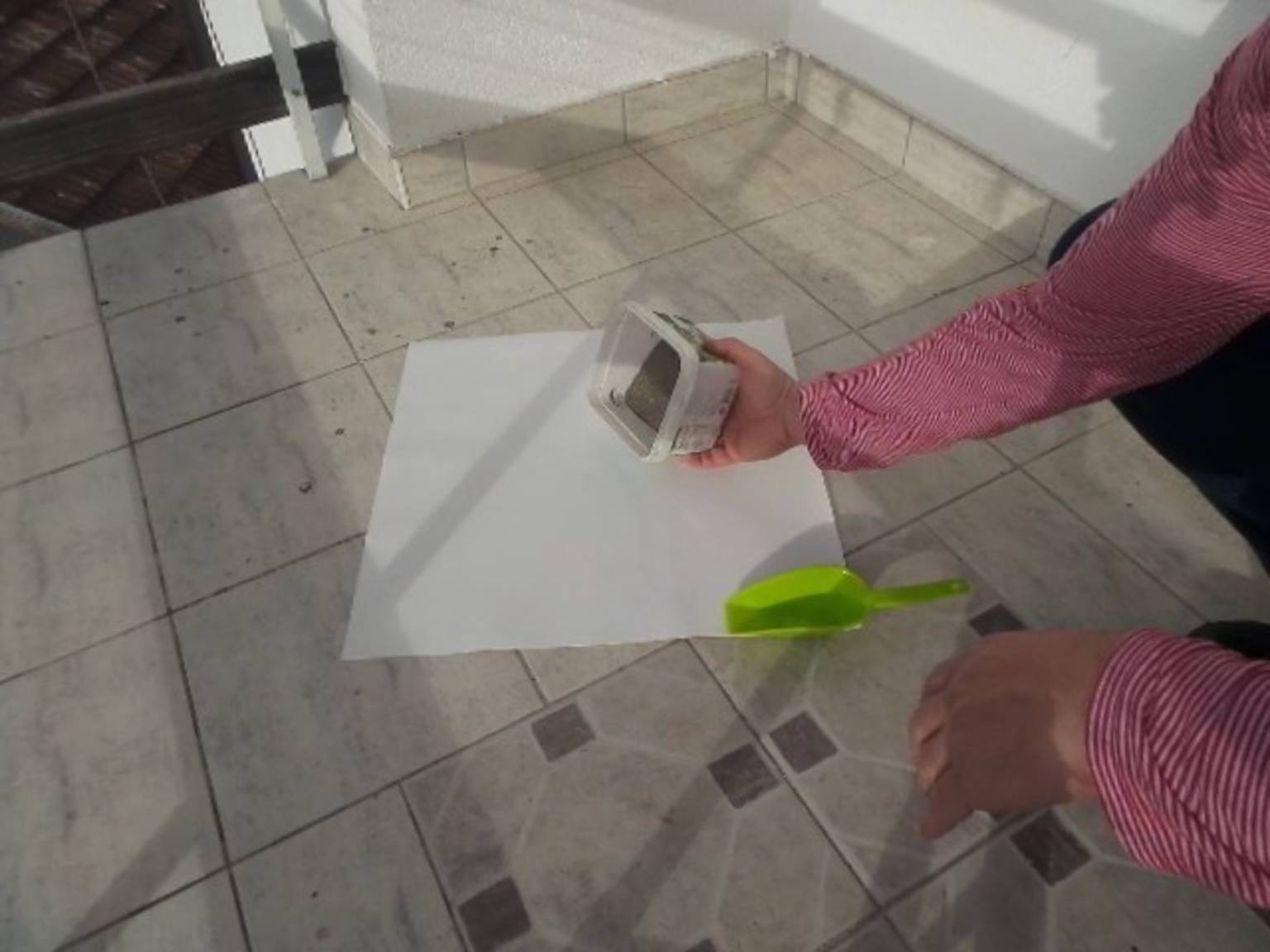
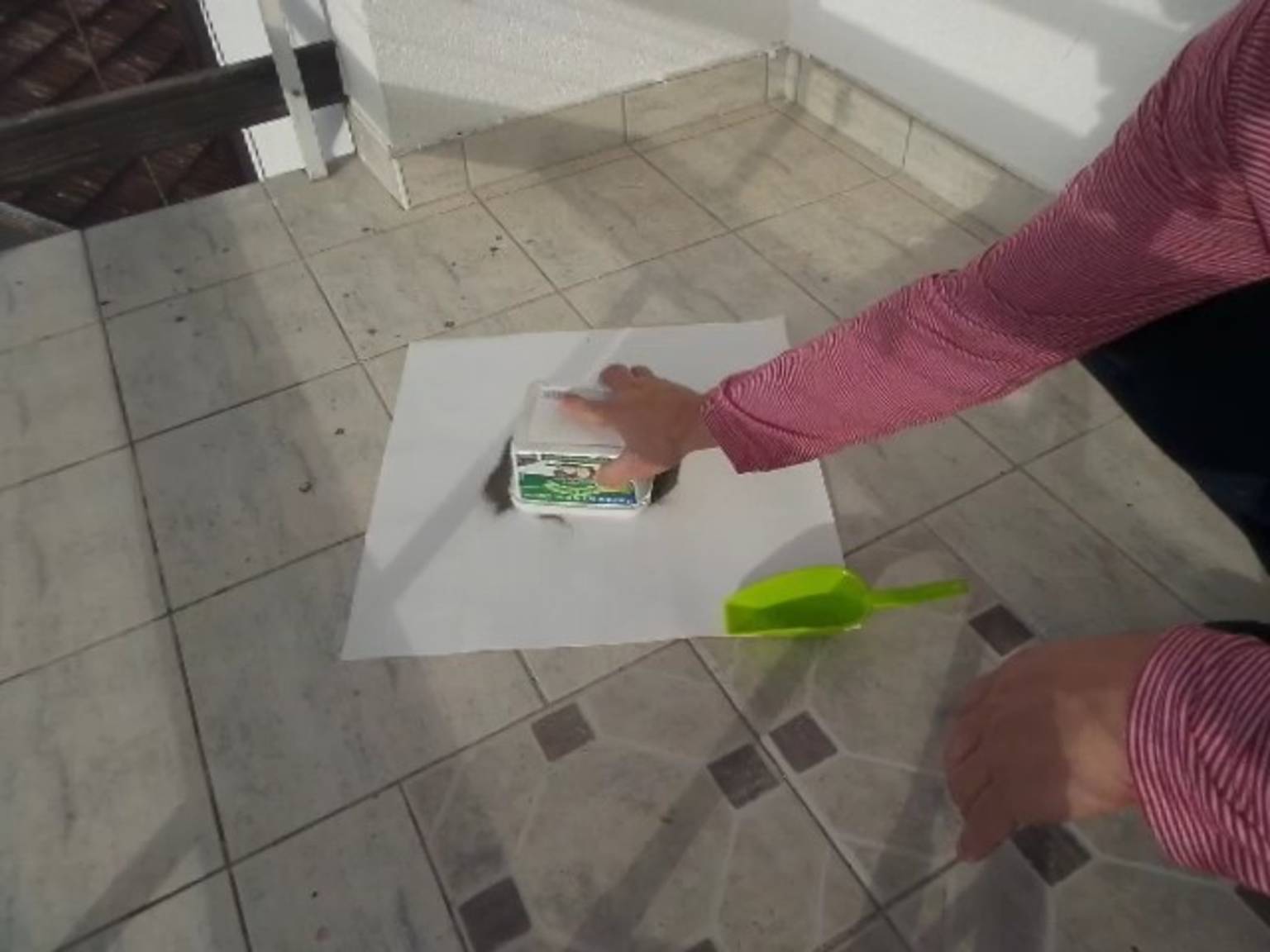
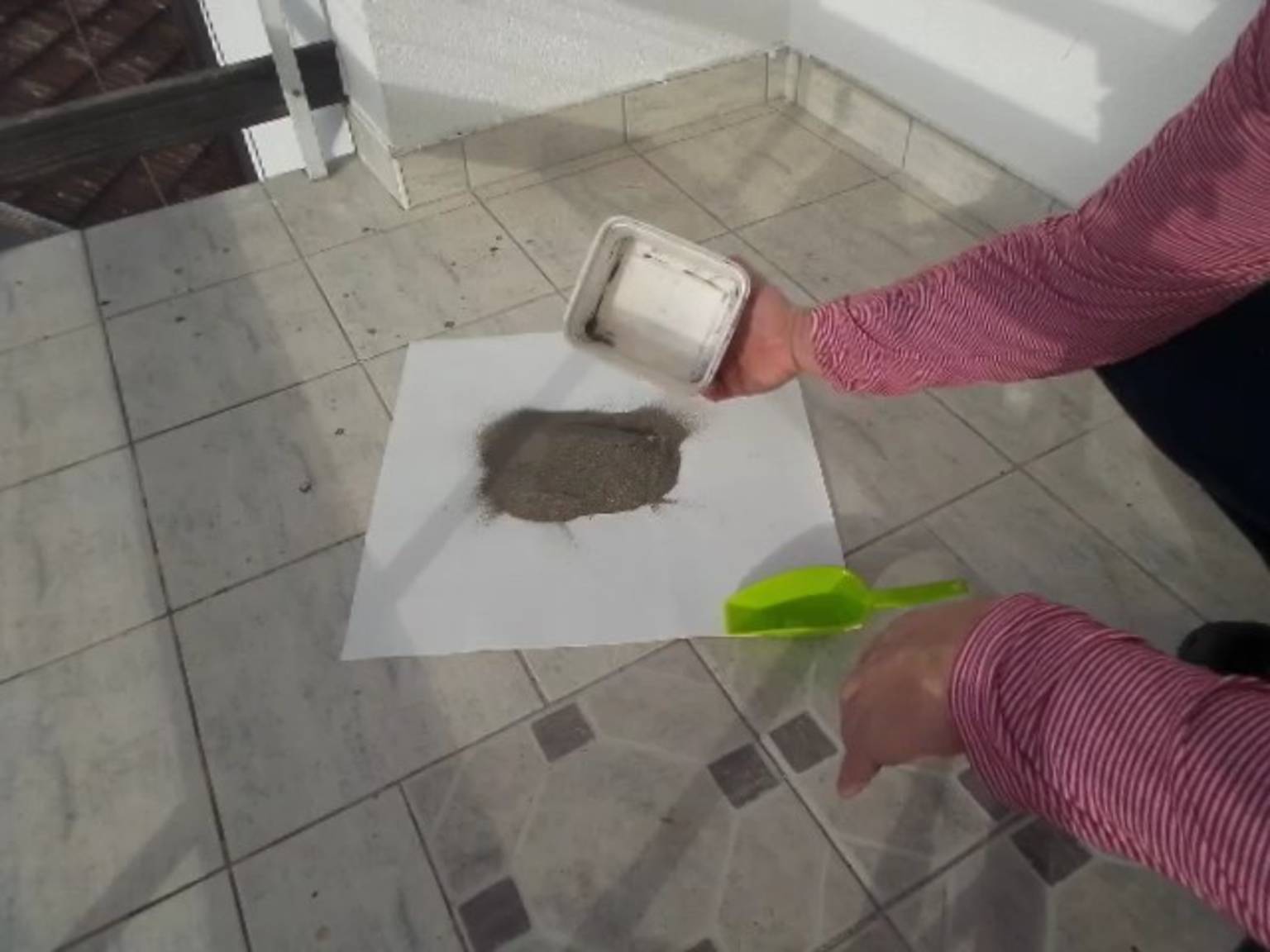
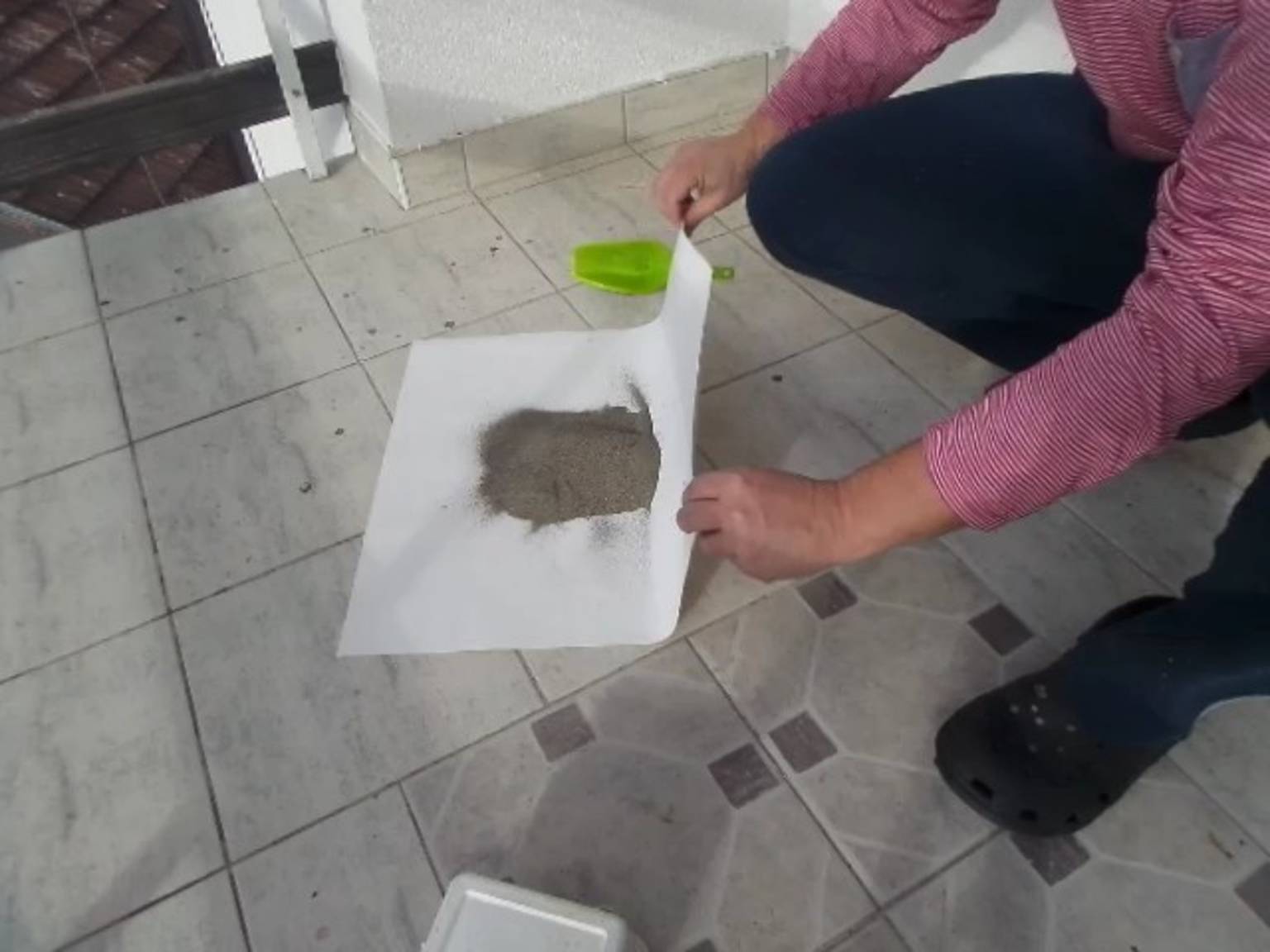
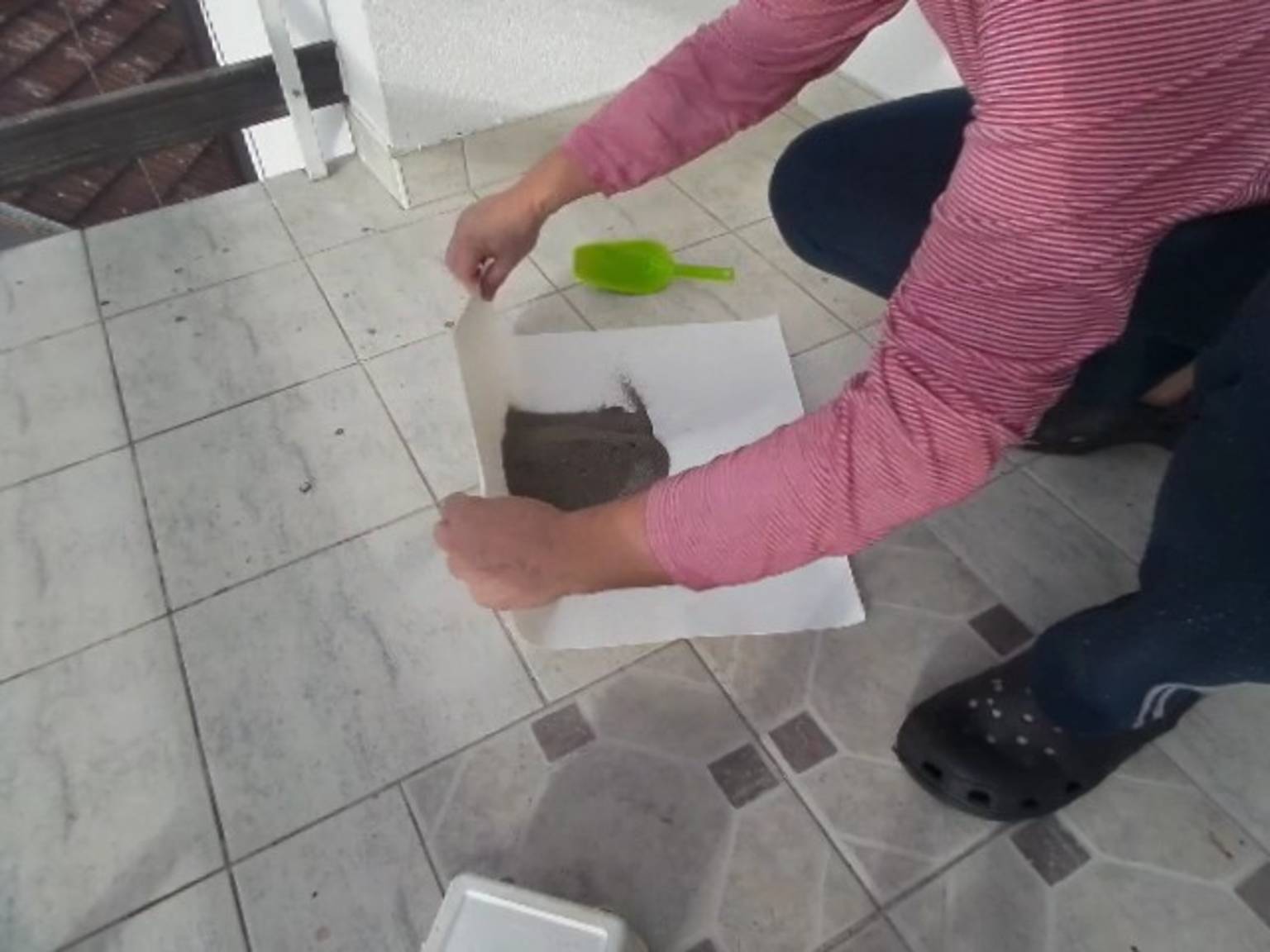
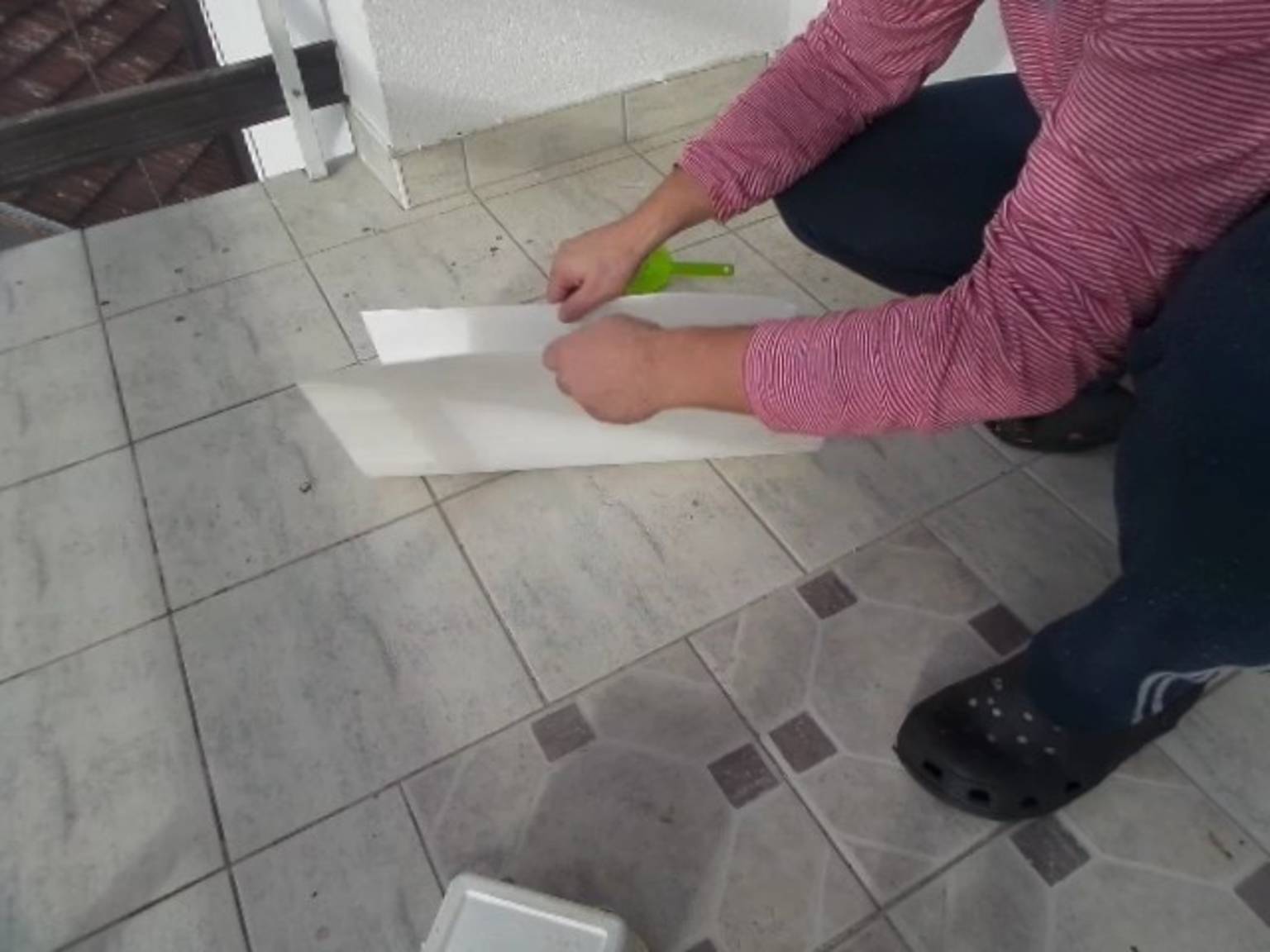
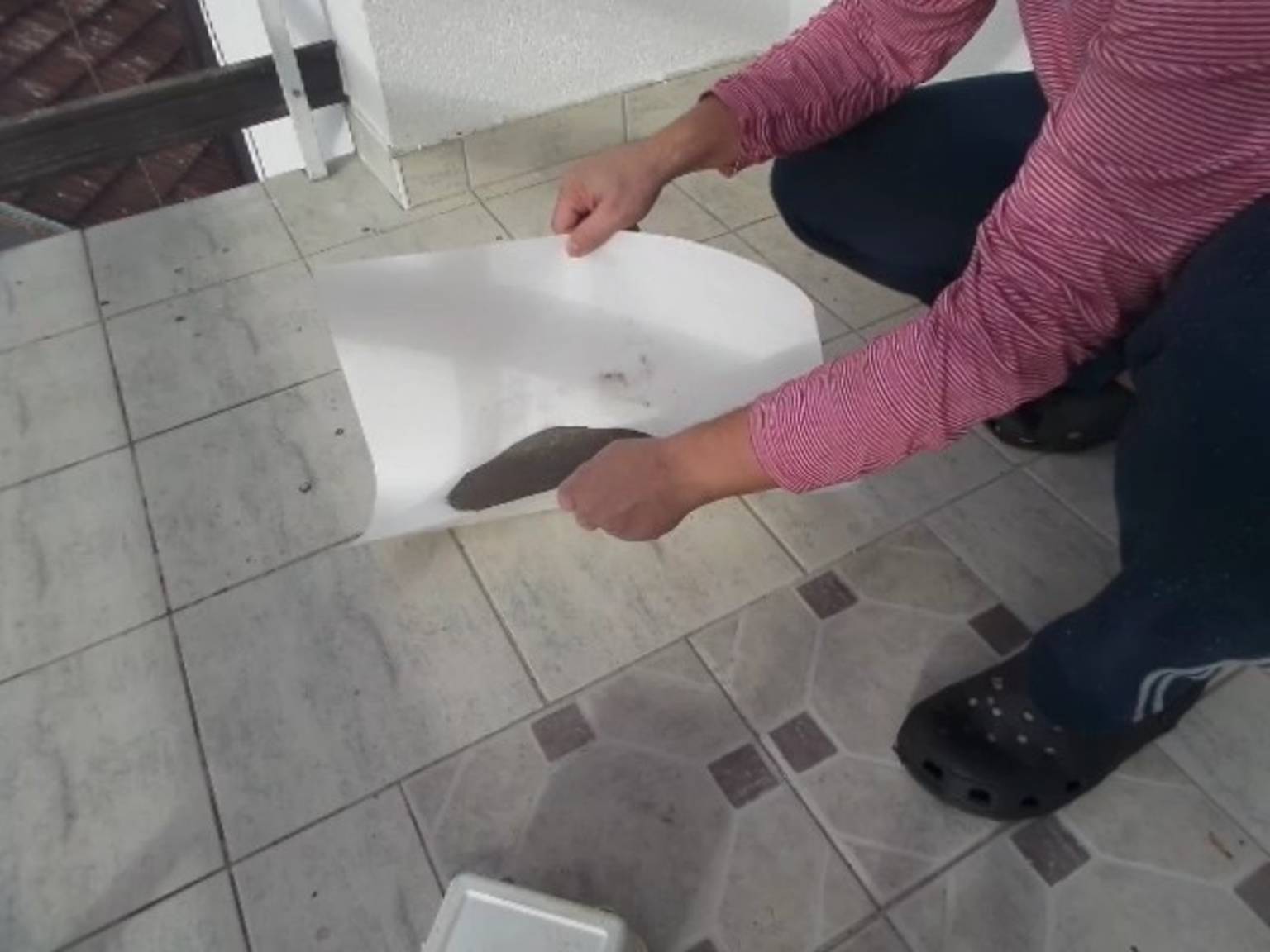
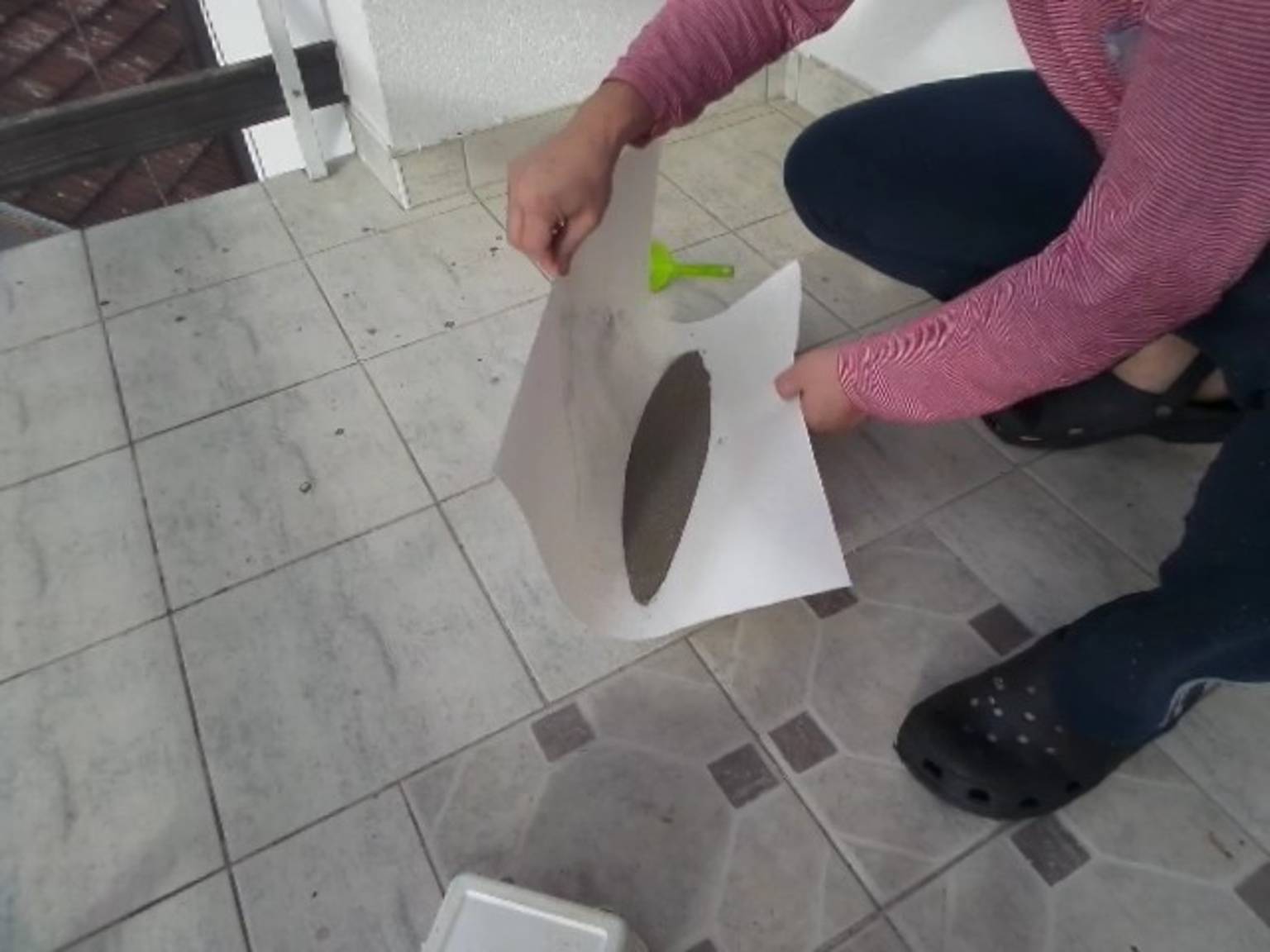
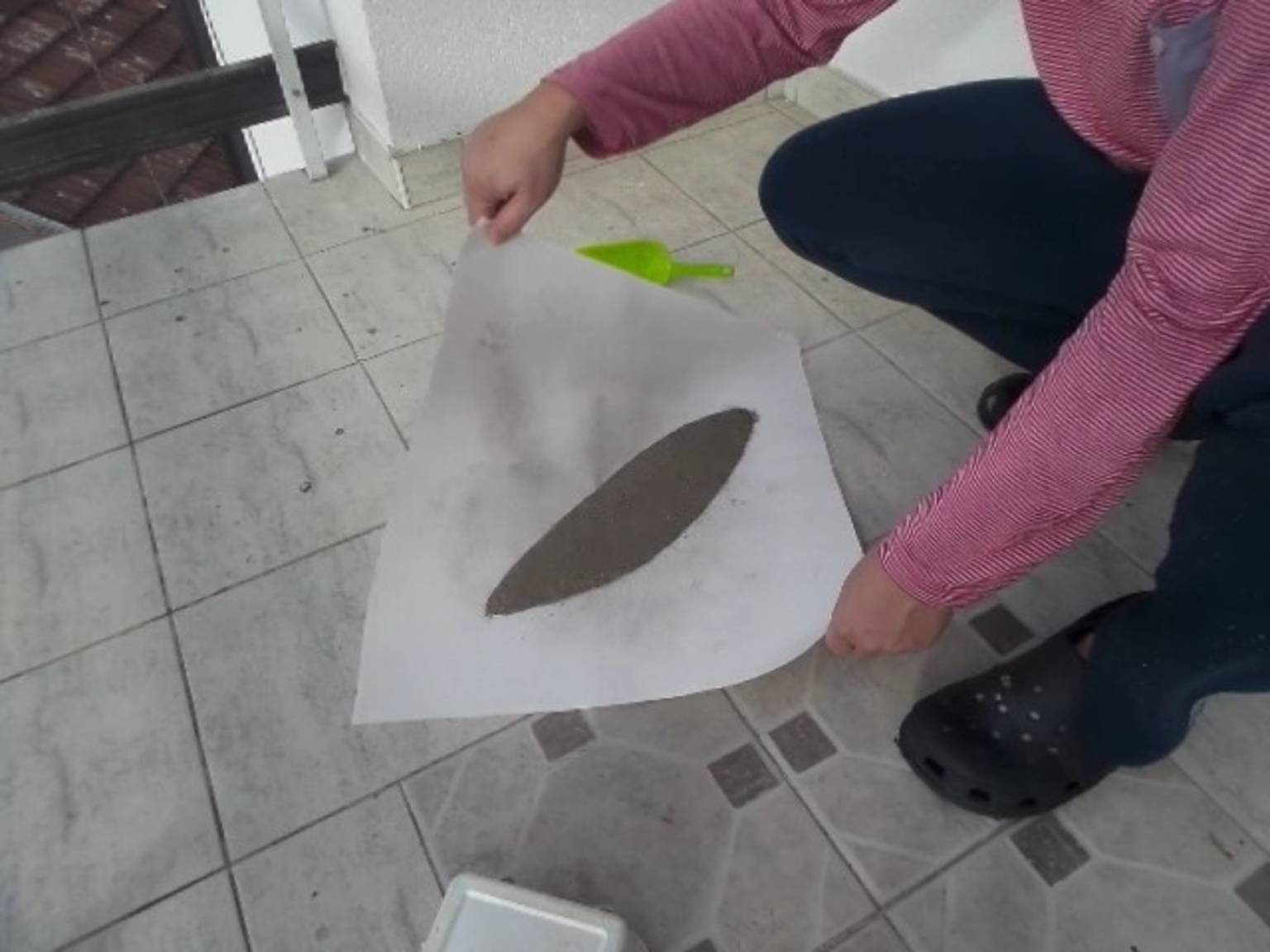
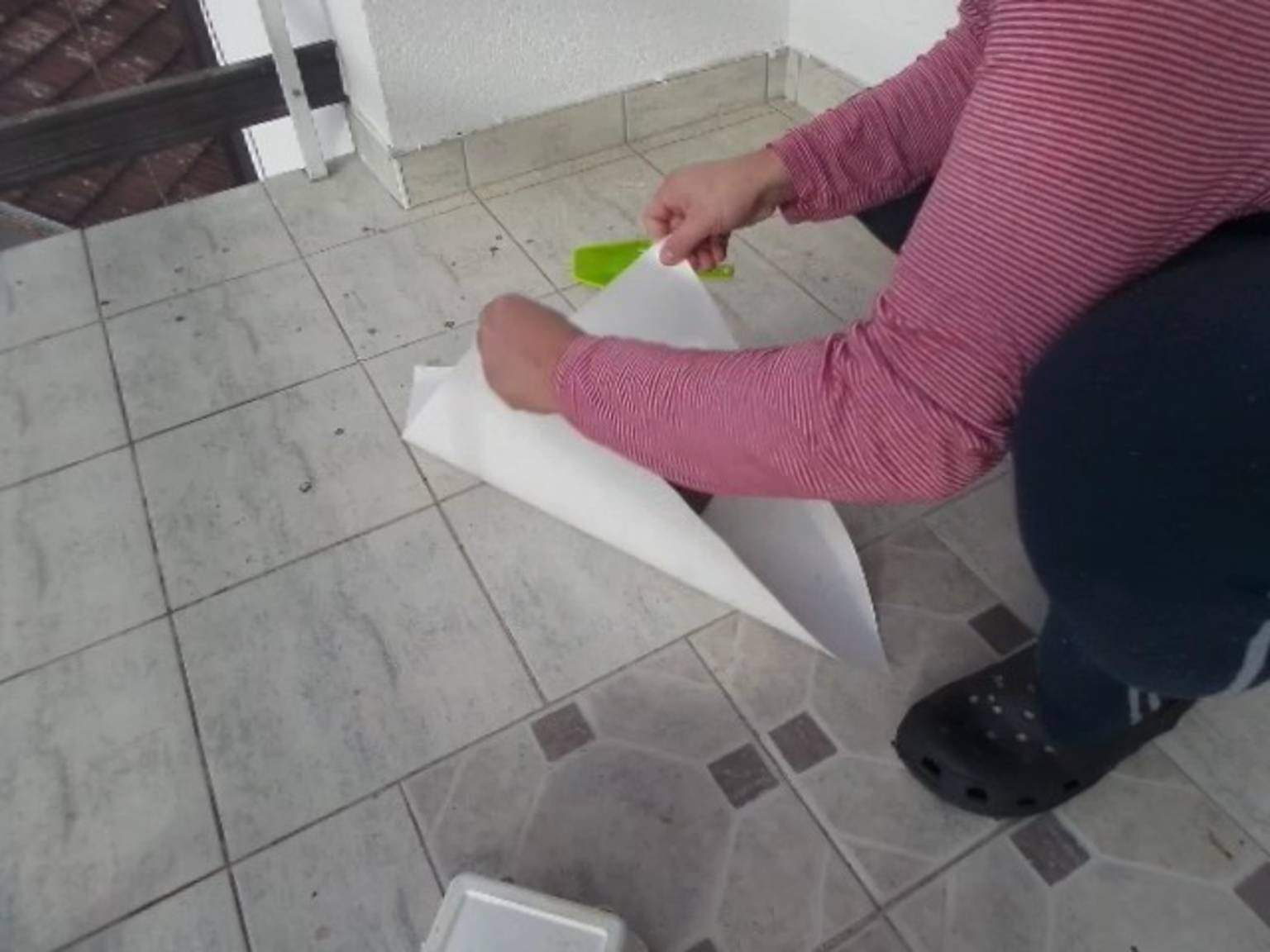
Prepare the cone and flatten it
In the next step, hold all 4 corners of the table oilcloth upside so that sample move into the center, and spread the square to reveal the cone.
Flatten the cone so that it may be quartered and reduced in the next step.
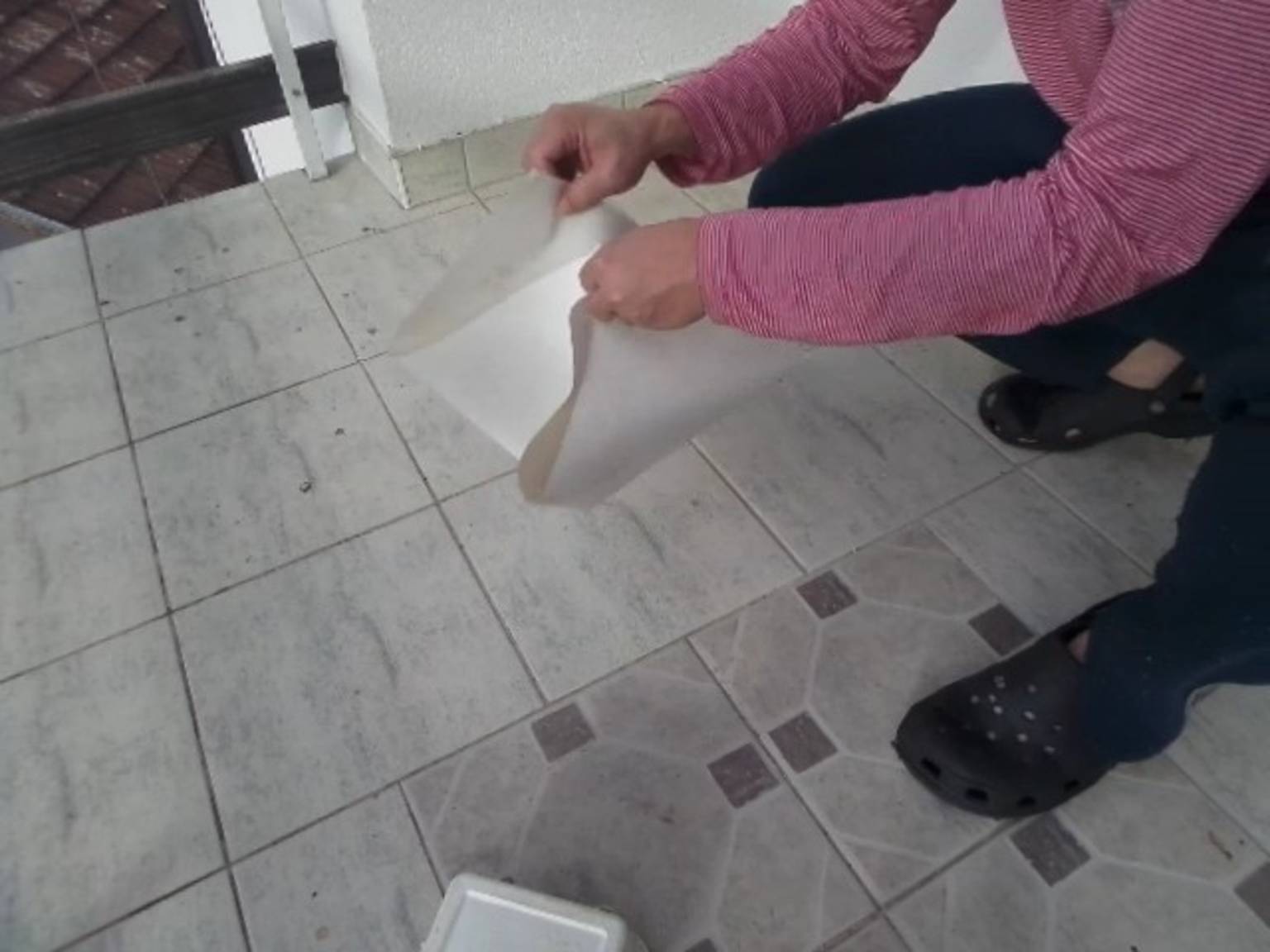
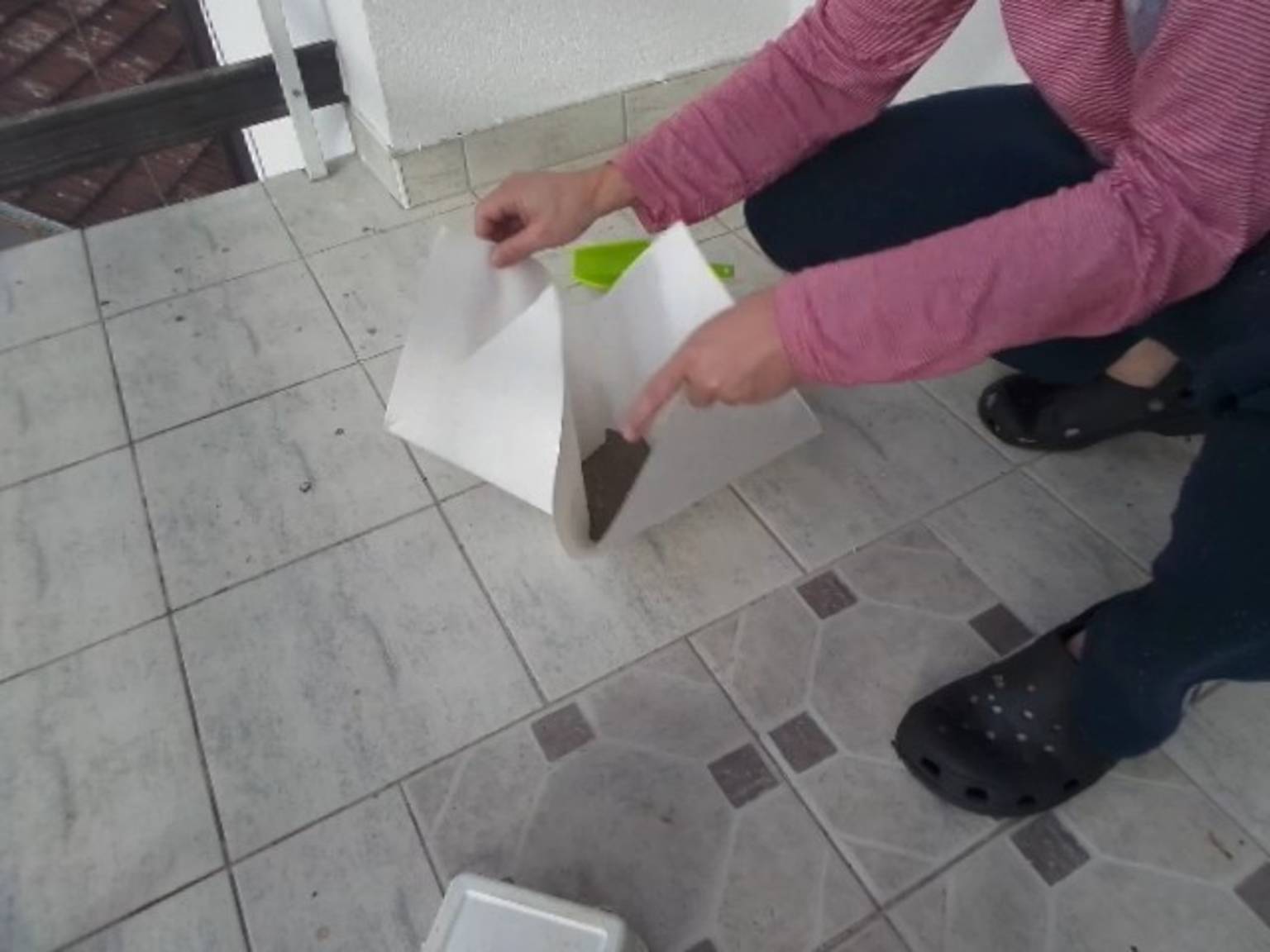
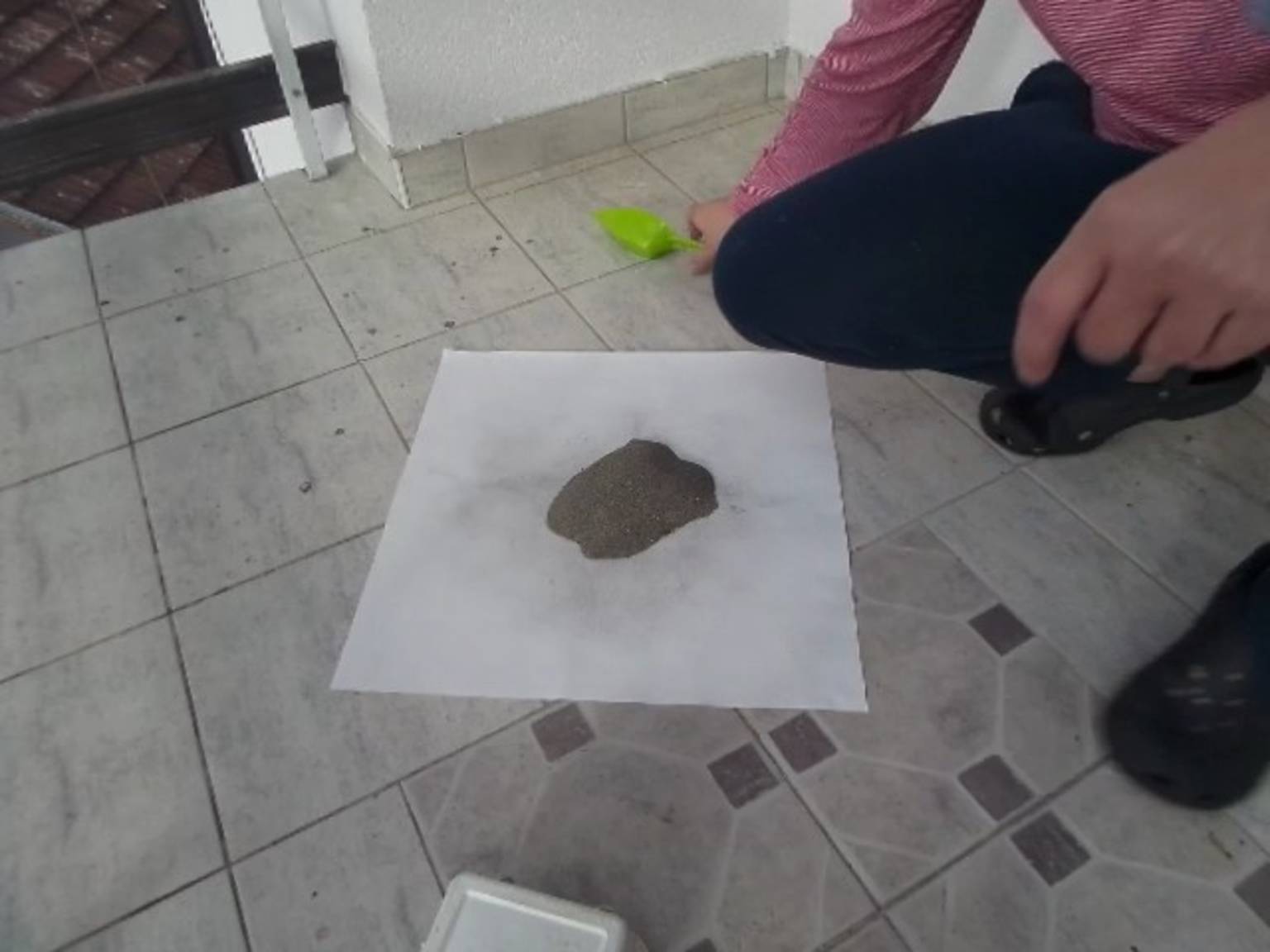
Method of mixing the sample with the scoop or shovel, well known as coning
The method of coning is very simple. If the sample size is large, use the scoop. Place the sample onto the flat and clean sheet, canvas, metal sheet or wooden board, use the shovel or scoop and mix it into the cone for longer time. Small sample may require 5-10 minutes of mixing. The larger sample may require one hour of mixing.
For small samples we recommend using the table oilcloth, plastic canvas or nylon to mix the sample by rolling, instead of using the scoop.
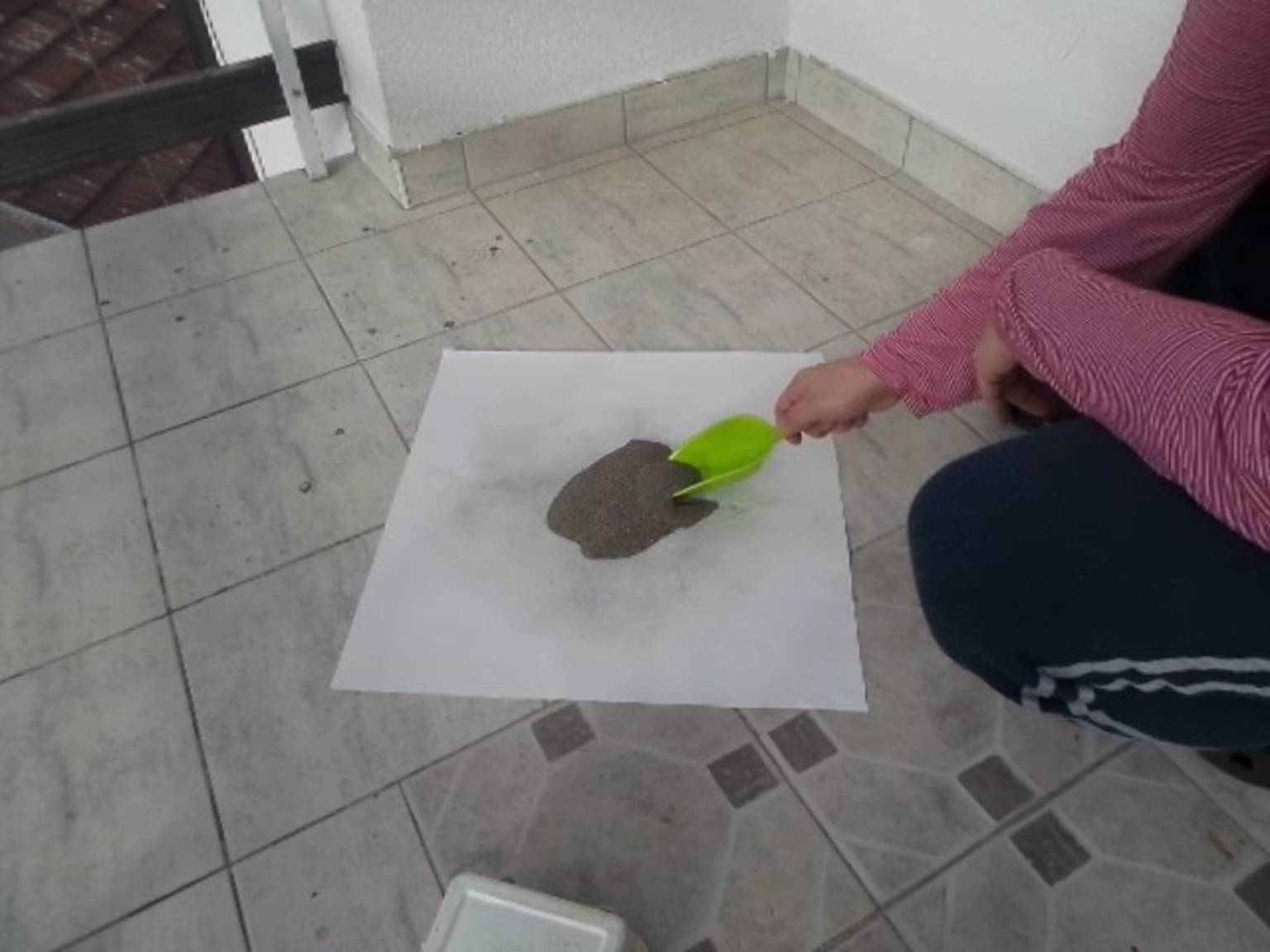
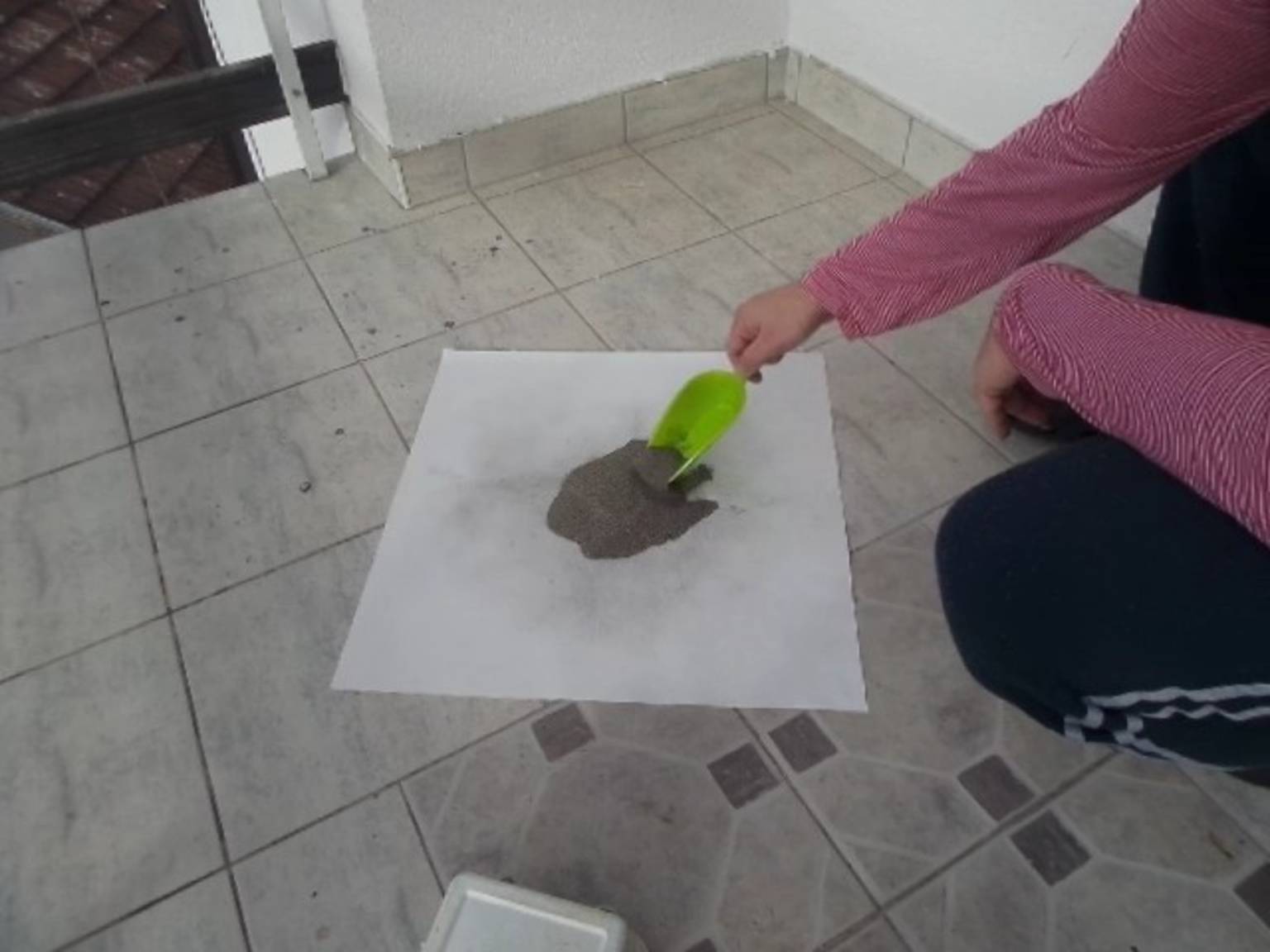
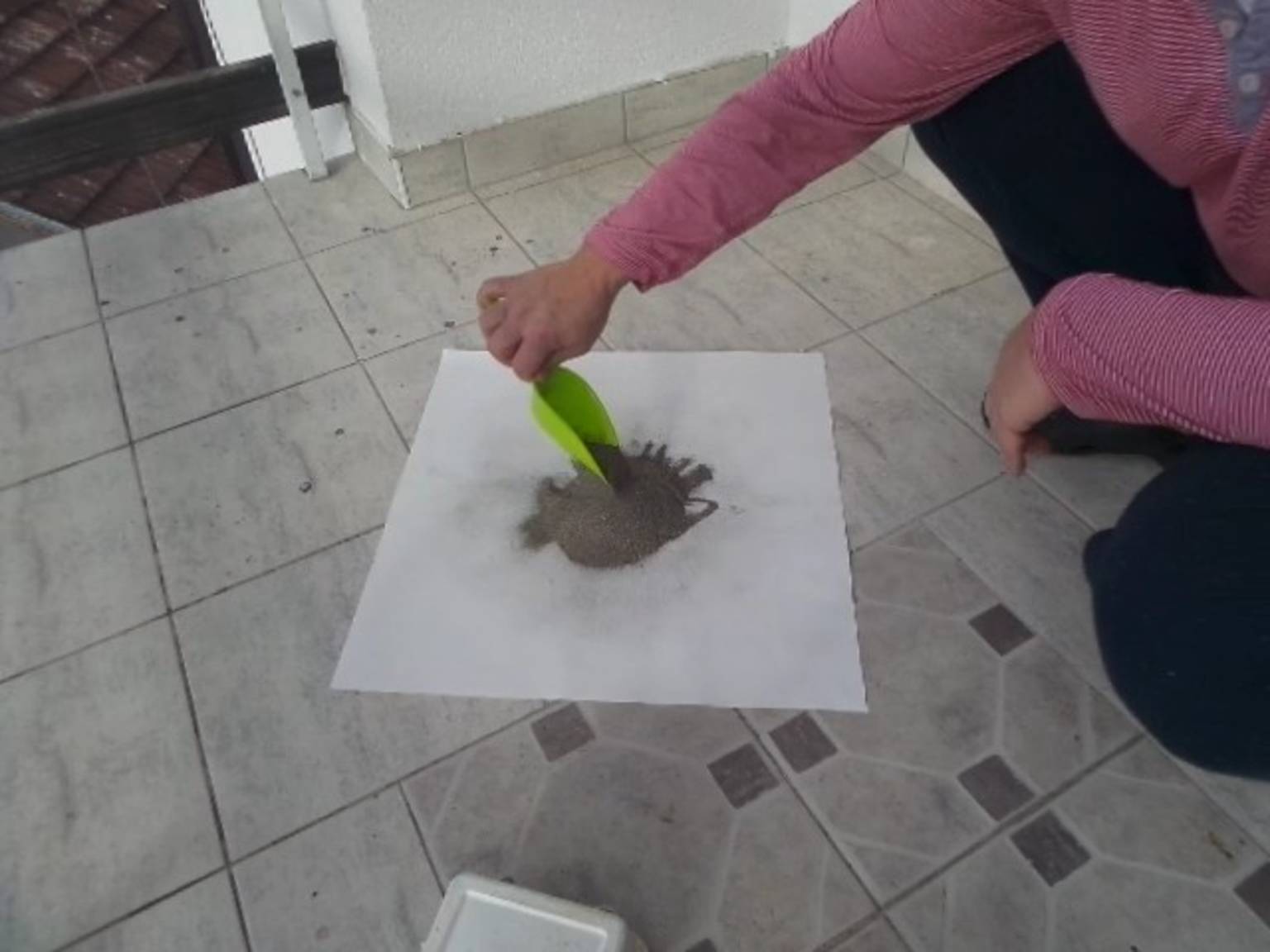
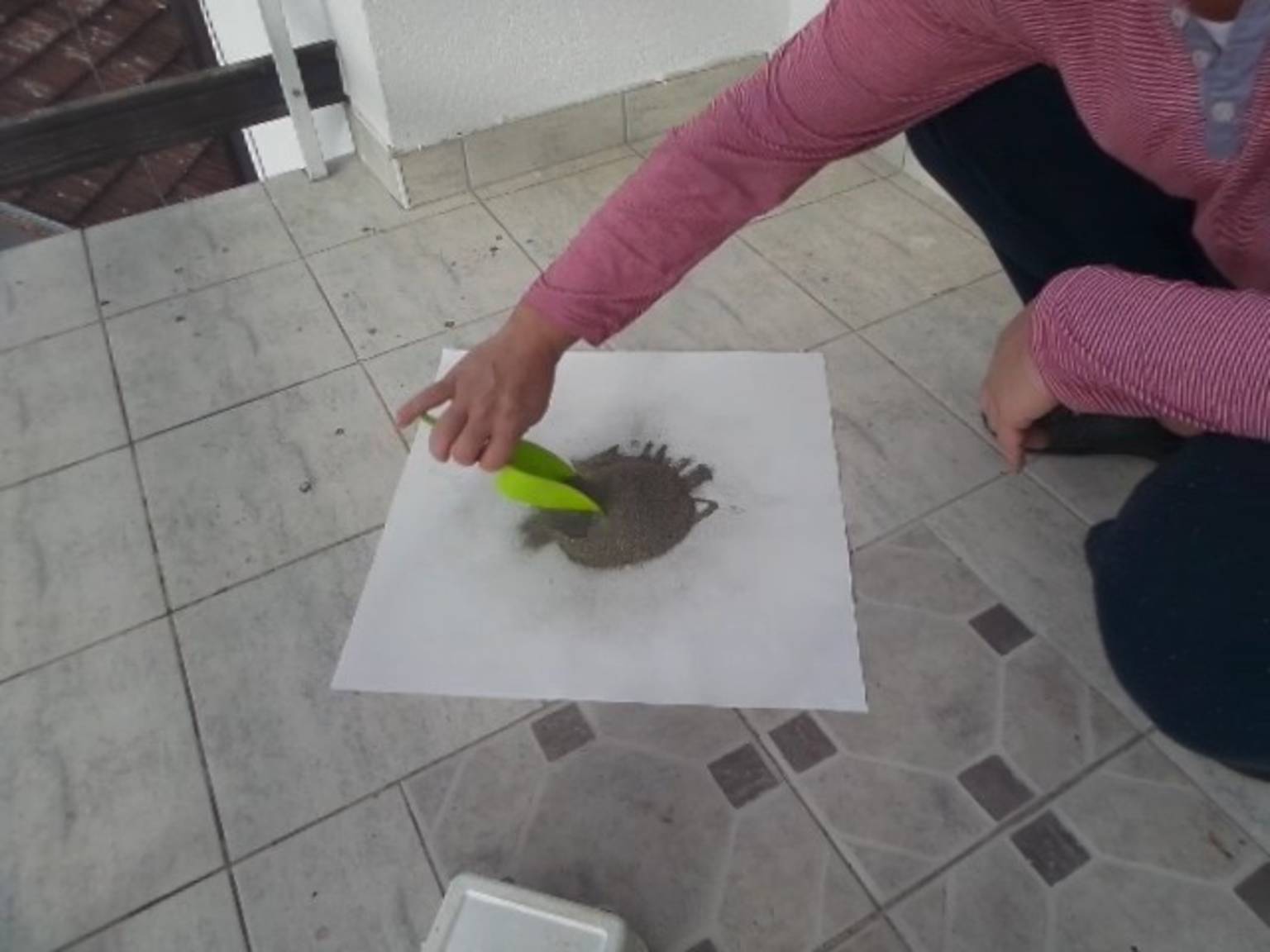
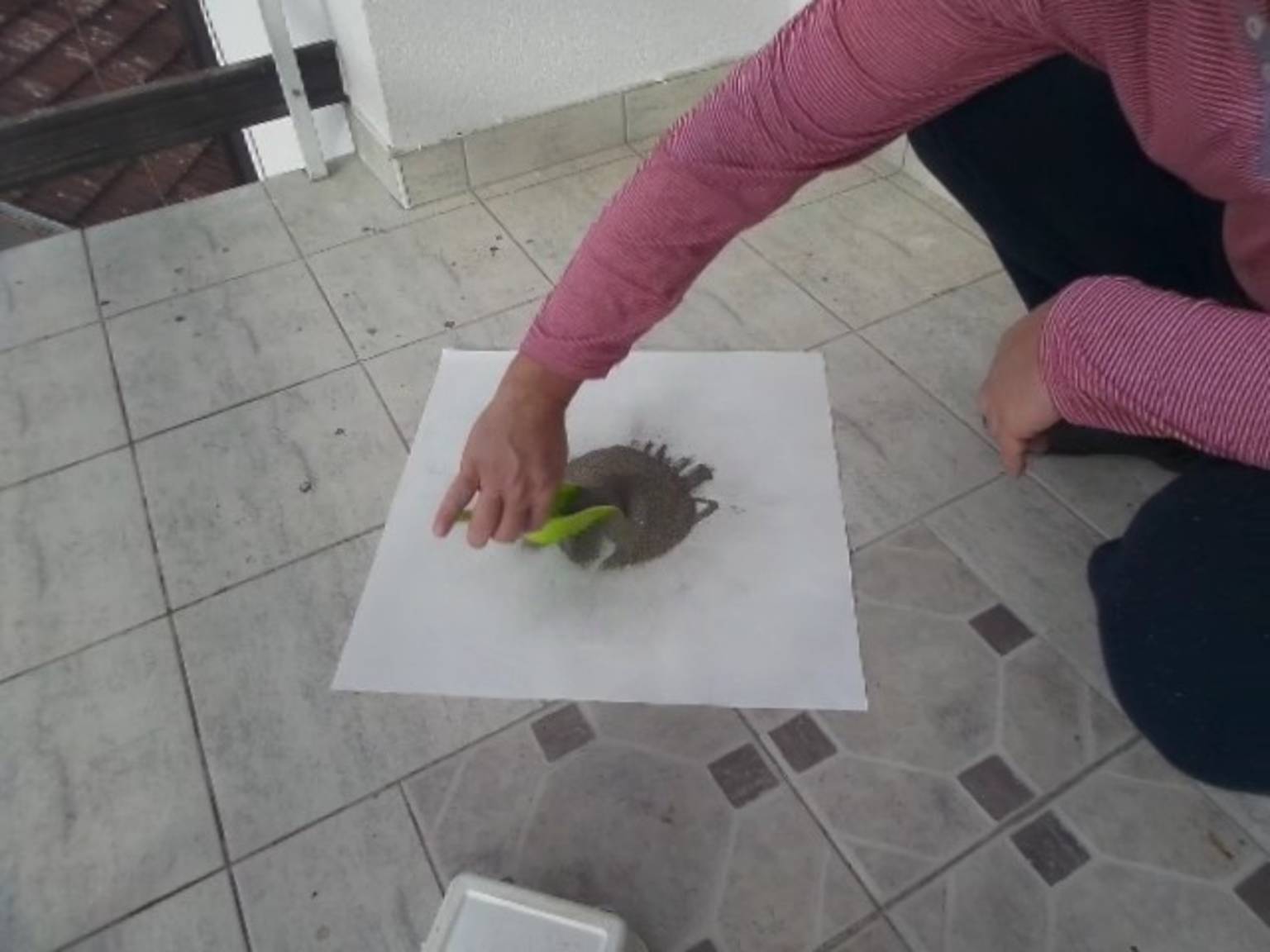
Quartering the sample by using the table oilcloth, plastic canvas or nylon
This method shows you how to quarter the sample by using the table oilcloth, plastic canvas or nylon.
In the first step use the scoop or shovel or straight long and flat piece of wood or metal to quarter the sample for at least a bit, so that the table oilcloth, plastic canvas or nylon may be raised between the quarters of the sample, so to divide it very equally.
In the next step use only the canvas, pull it up across the square, straighten it, and make sure that you are getting as equal quarters as possible.
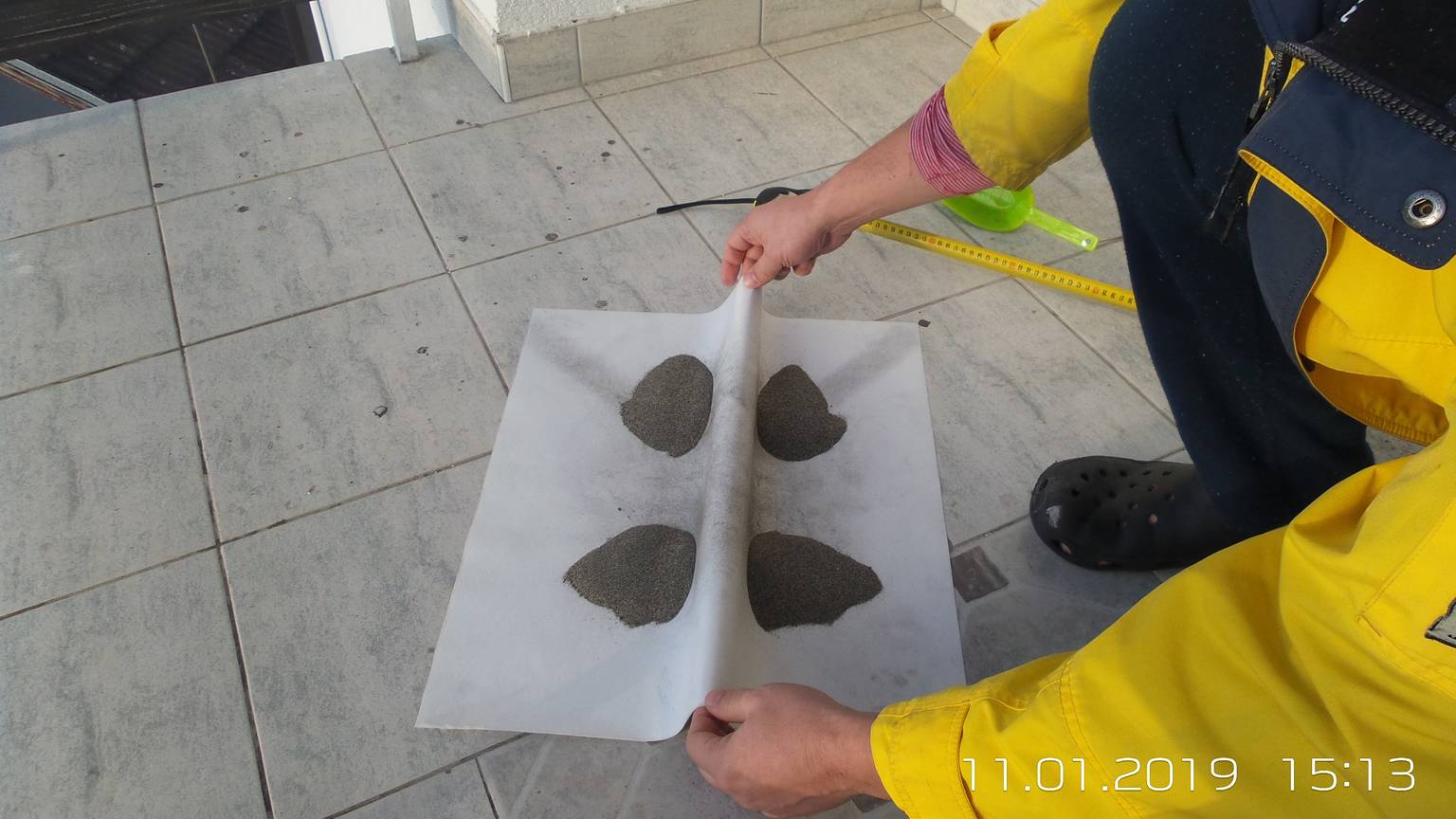
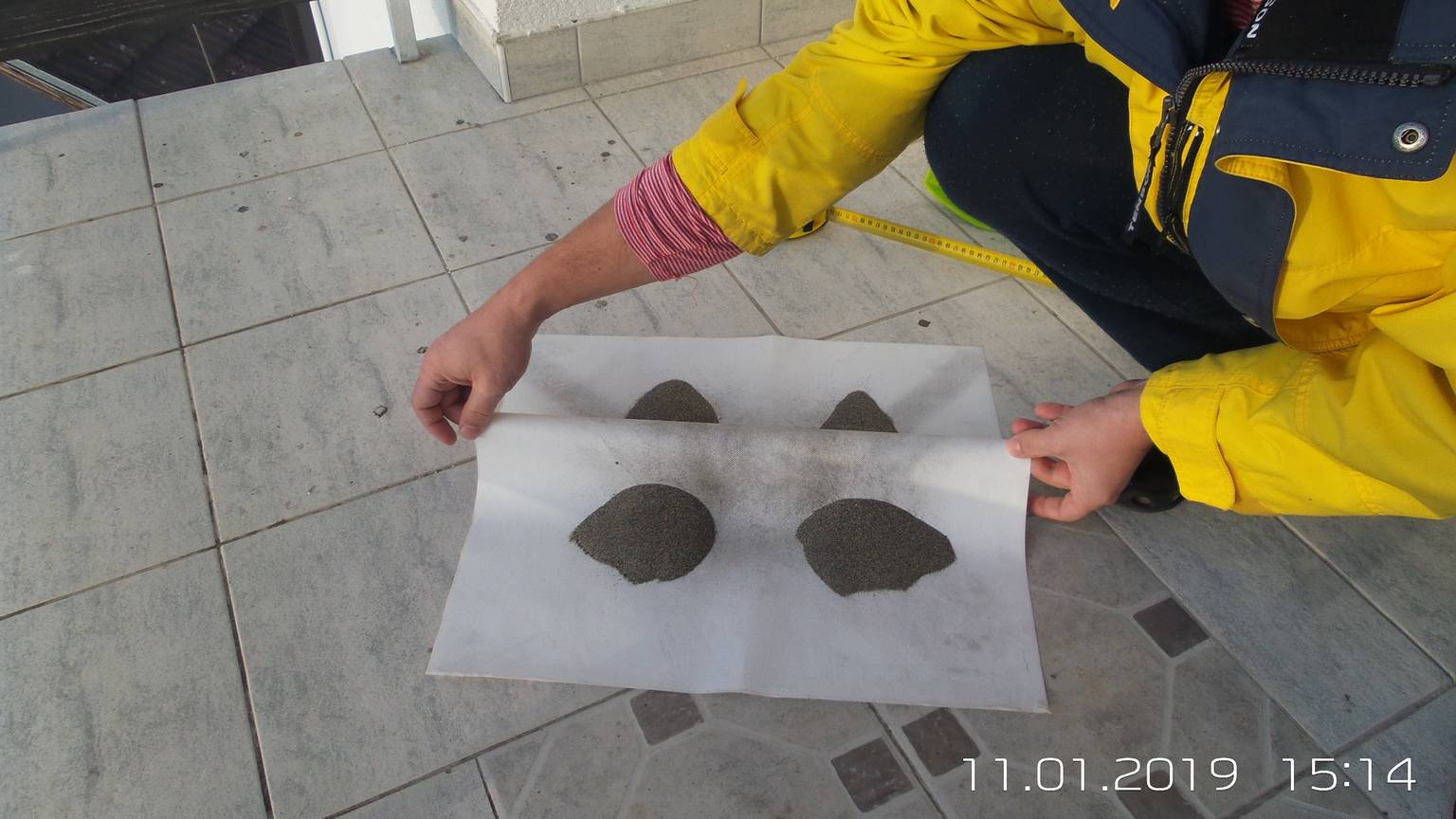
You will get four quarters.
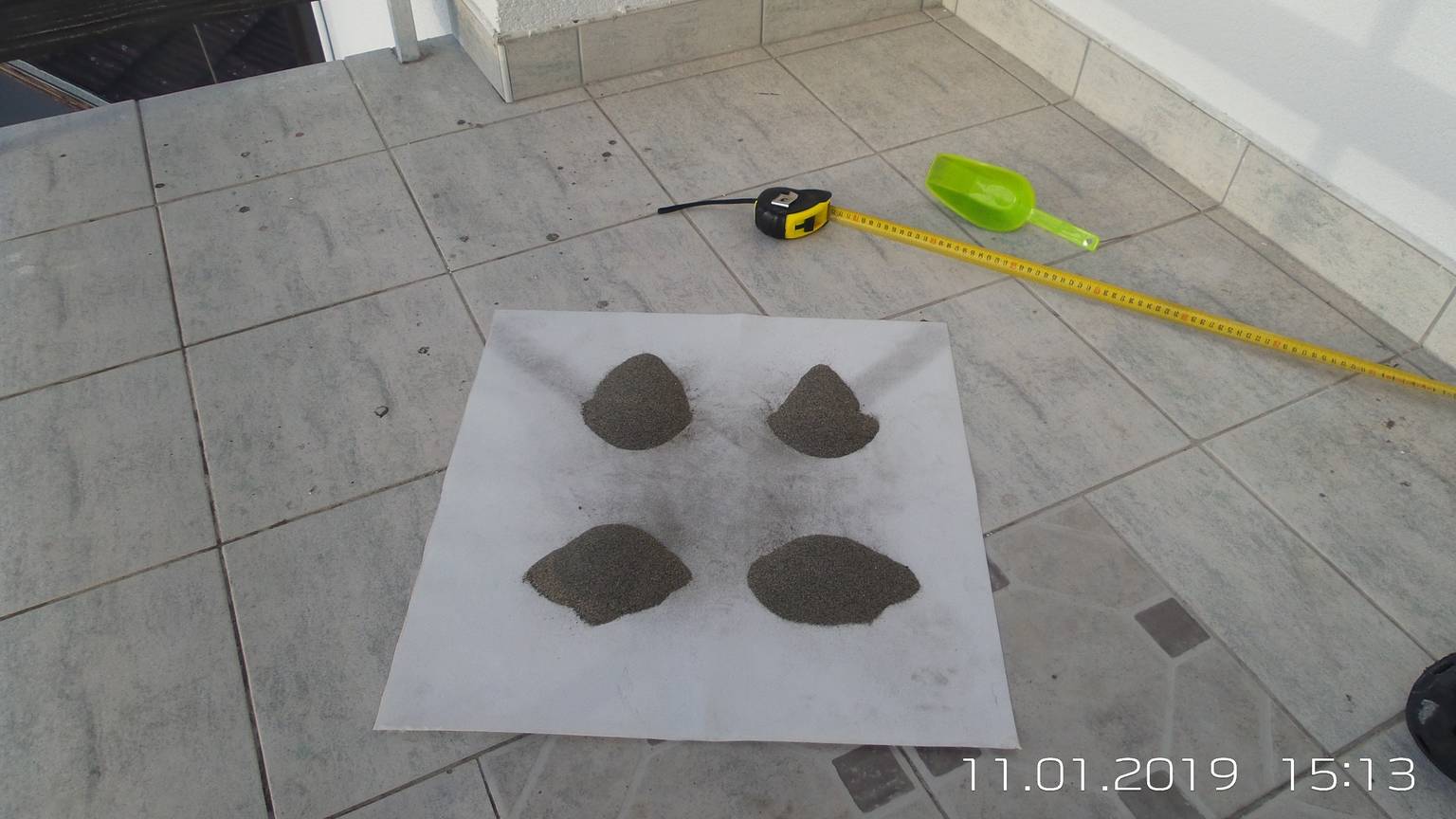
In the next step, you need to be very careful as two opposite corners are removed and sample is reduced. But you need to remove completely all the particles with great care, so that none particle remains in the sample. You would need to clean the table oilcloth of any particles that were beneath the removed opposite quarters, as such particles could give wrong result in the final assay.
The table oilcloth, plastic canvas or nylon may be raised from below to help the opposite quarters to be removed. We recommend additional nylon or canvas to be spread on the floor so to easier remove the quarters.
In this case we are using the gold pan to remove the opposite quarters of the sample.
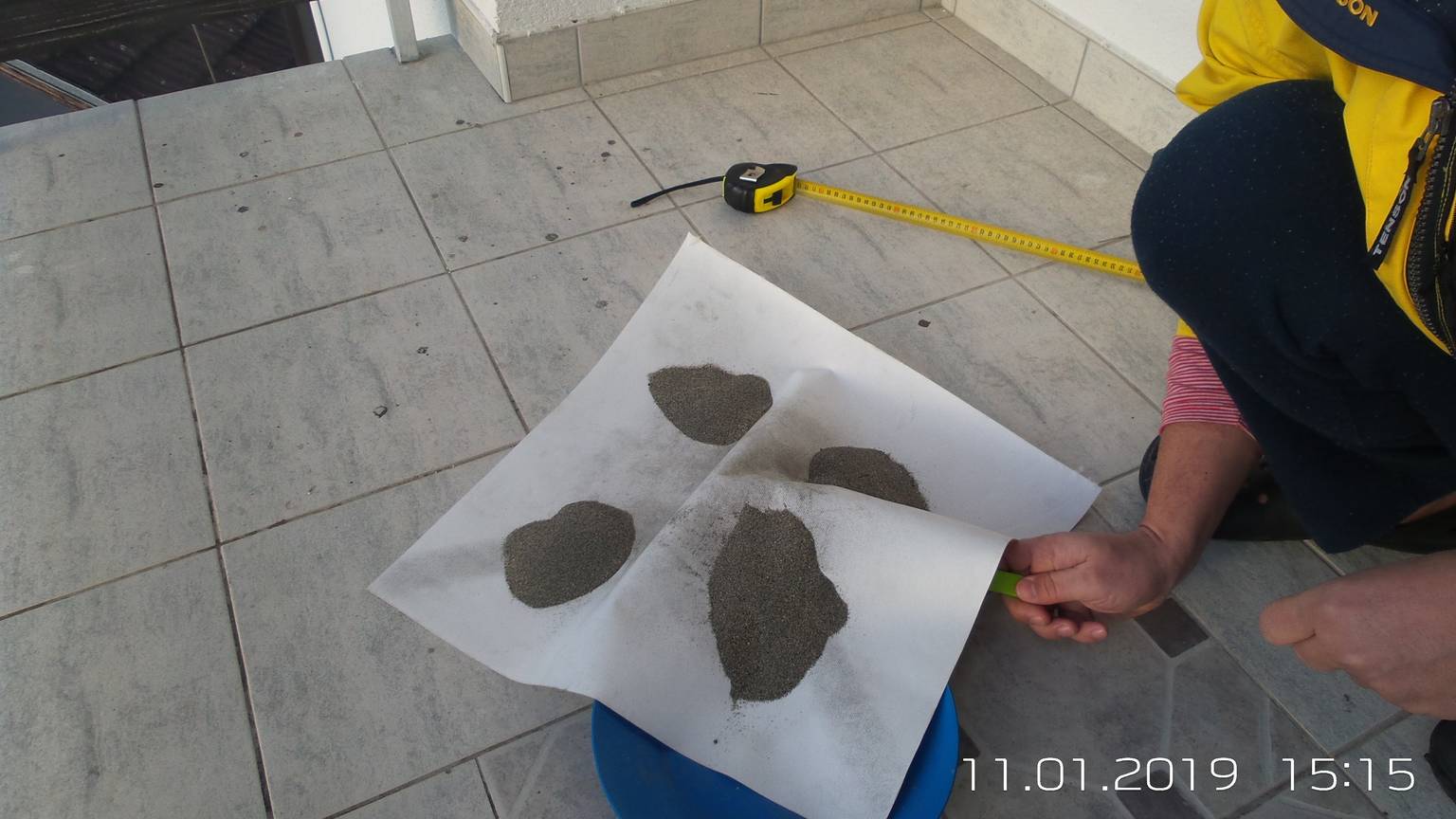
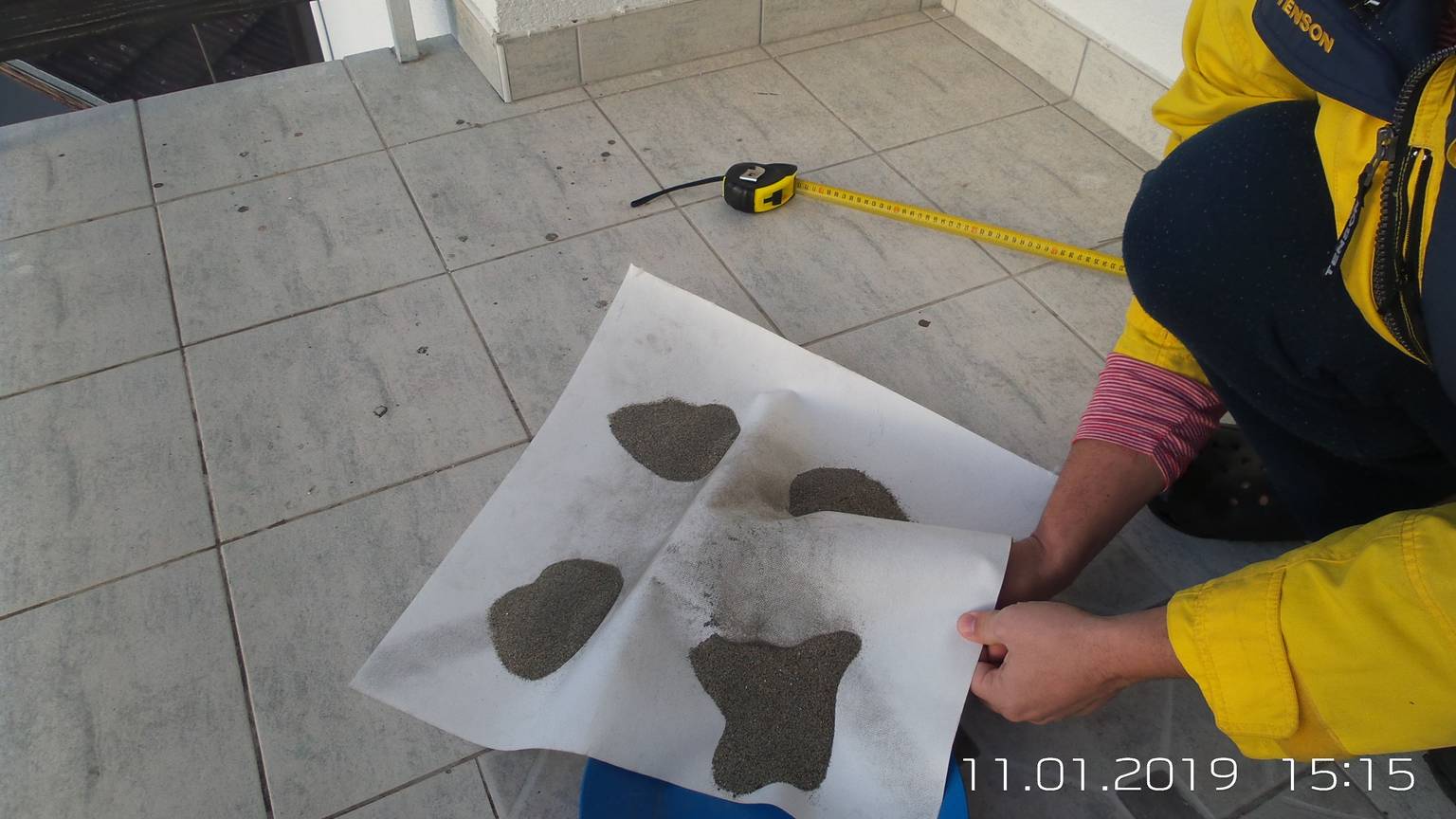
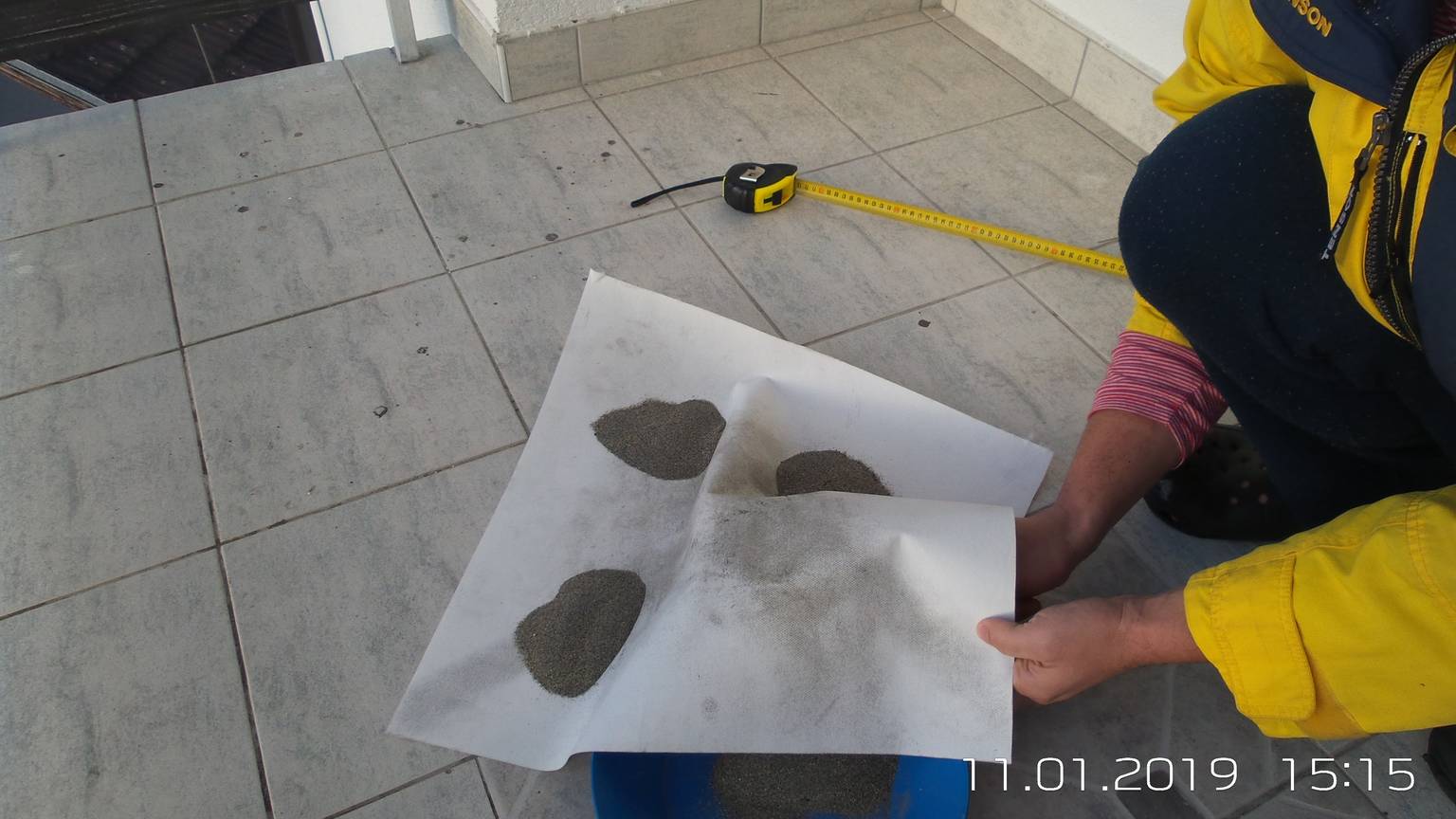
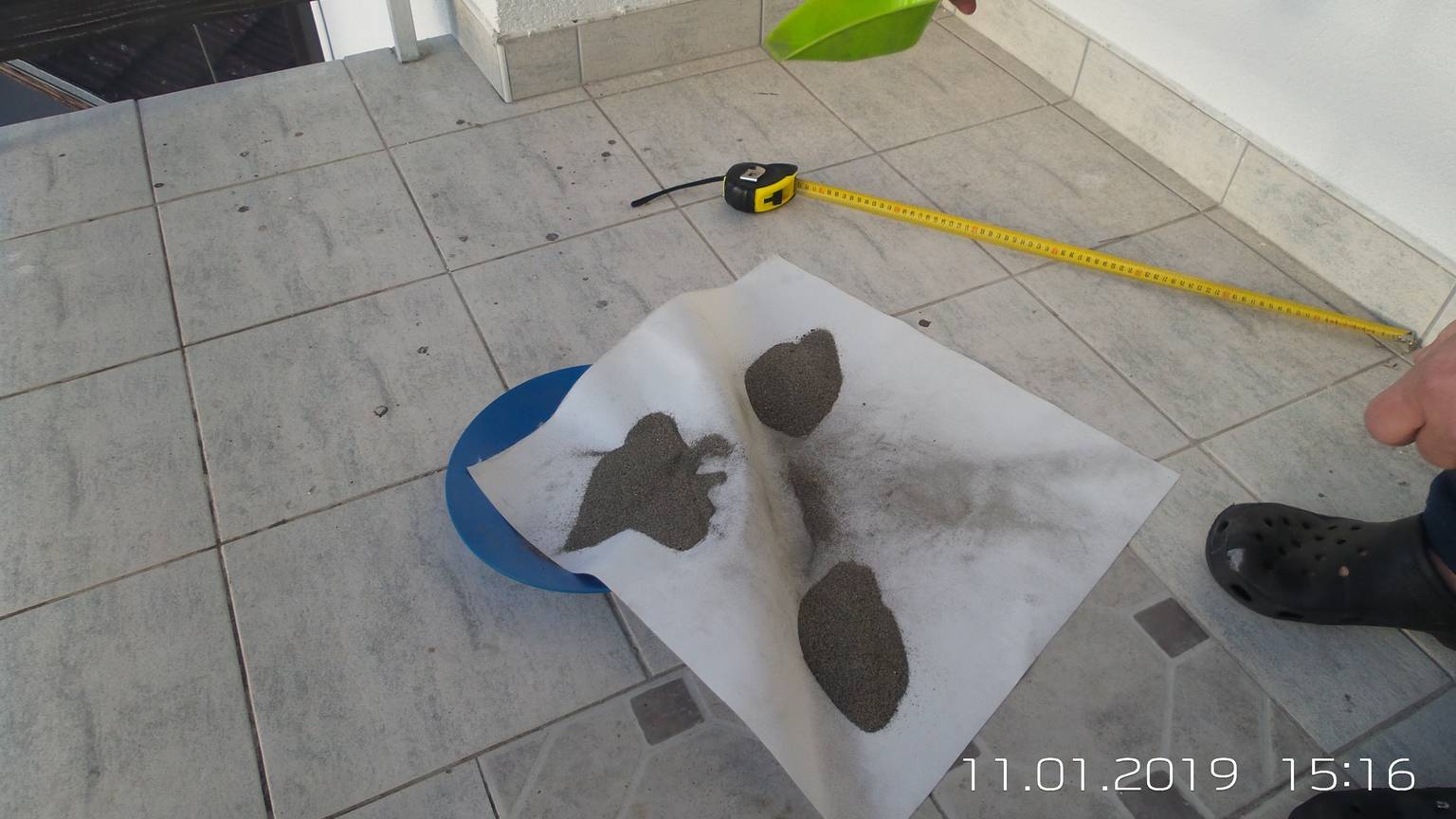
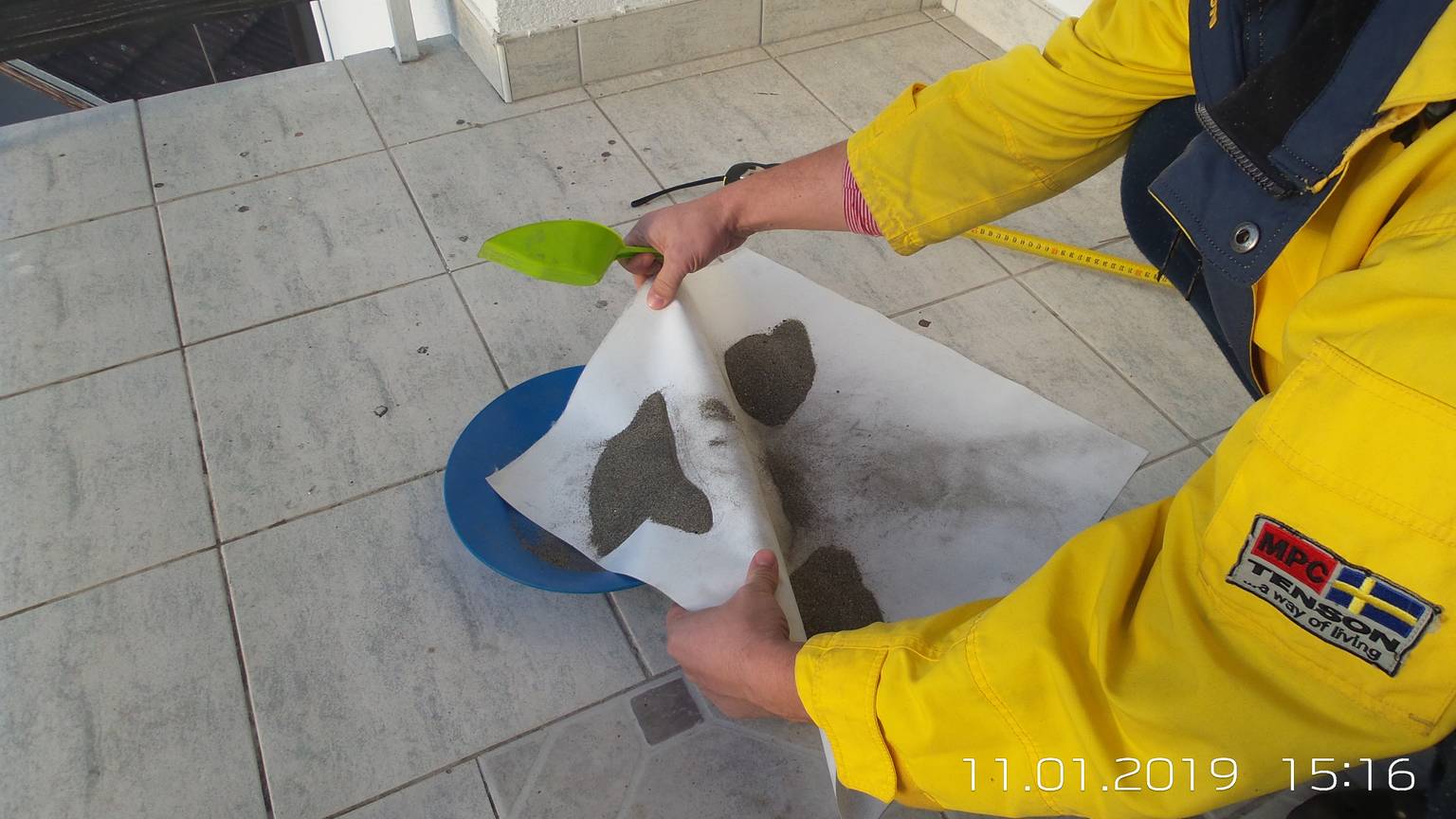
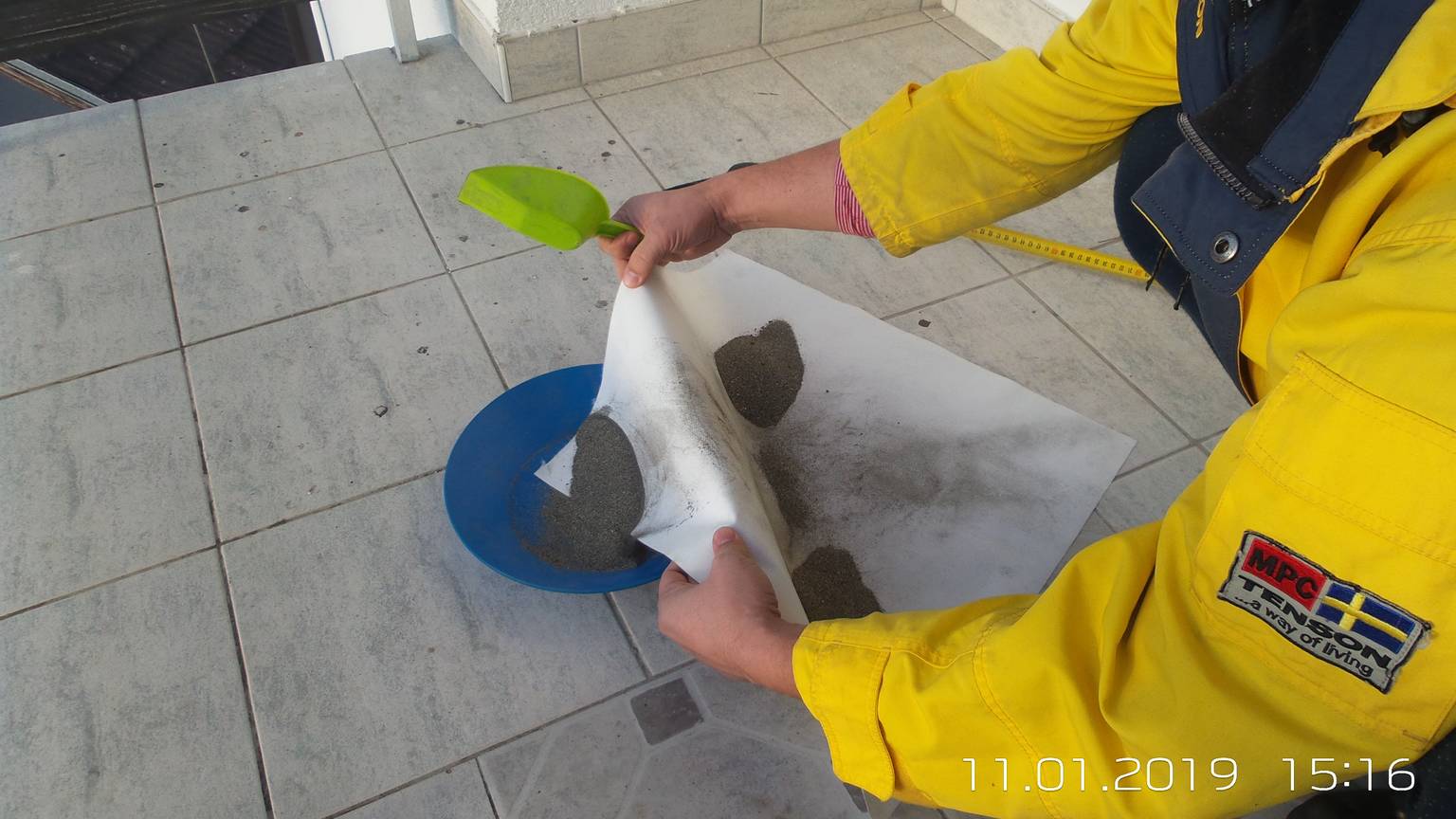
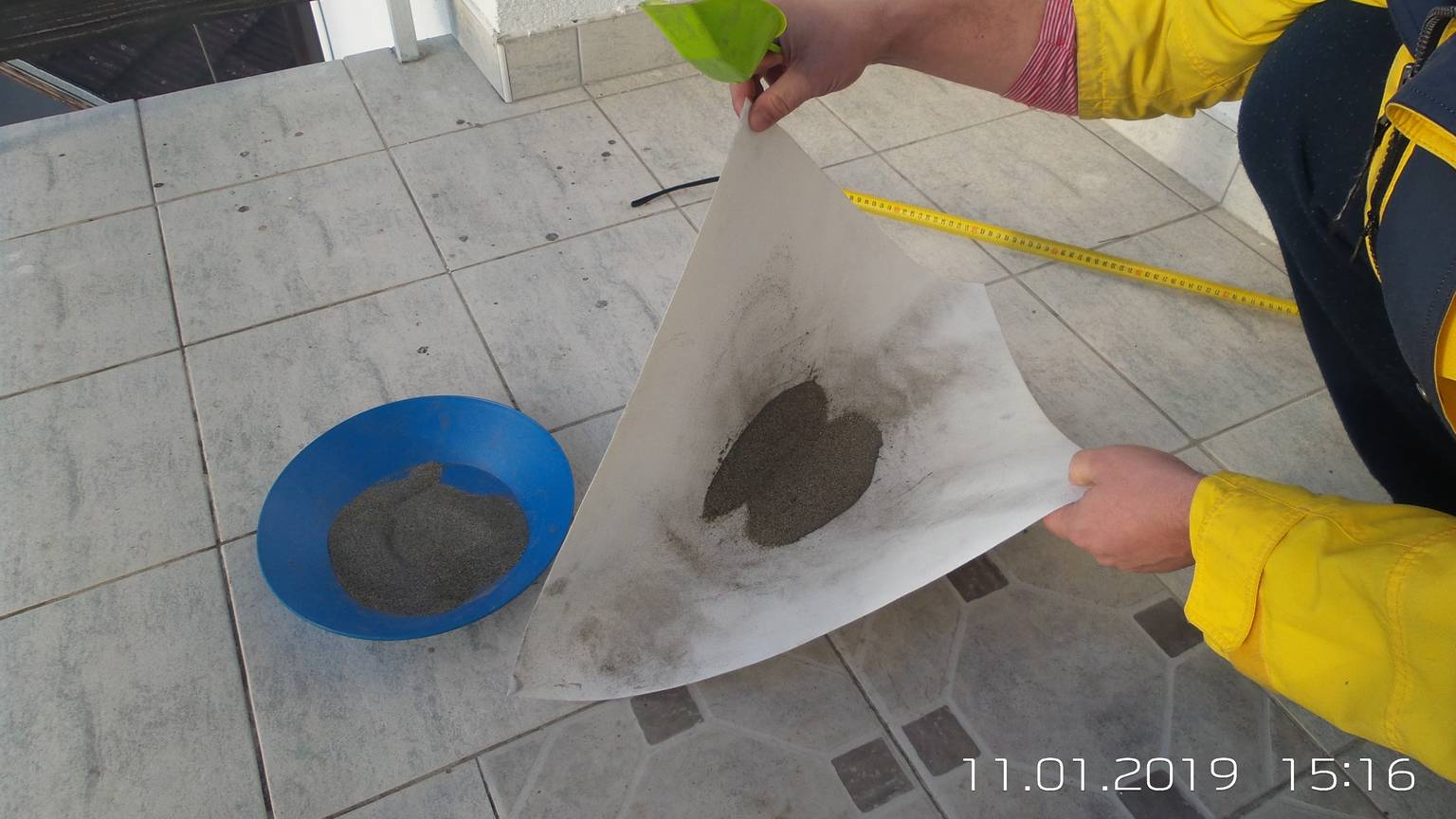
Keep reducing the sample by mixing and quartering until you get the desired size for laboratory assay or field assay.


 Telegram at username
@rcdrun
Telegram at username
@rcdrun WhatsApp Business