DYNAMITE
Dynamite should be stored in a magazine which must be dry, cool, and well ventilated. Bricks are best, but when built of wood, the frame should be covered inside and out with boards allowing the air to have free circulation between the walls, so that the inner wall may not be heated by the sun.
Do not store your caps with your dynamite.
If powder was well made, it is as good a dozen years afterwards as it was on the day it came from the mill.
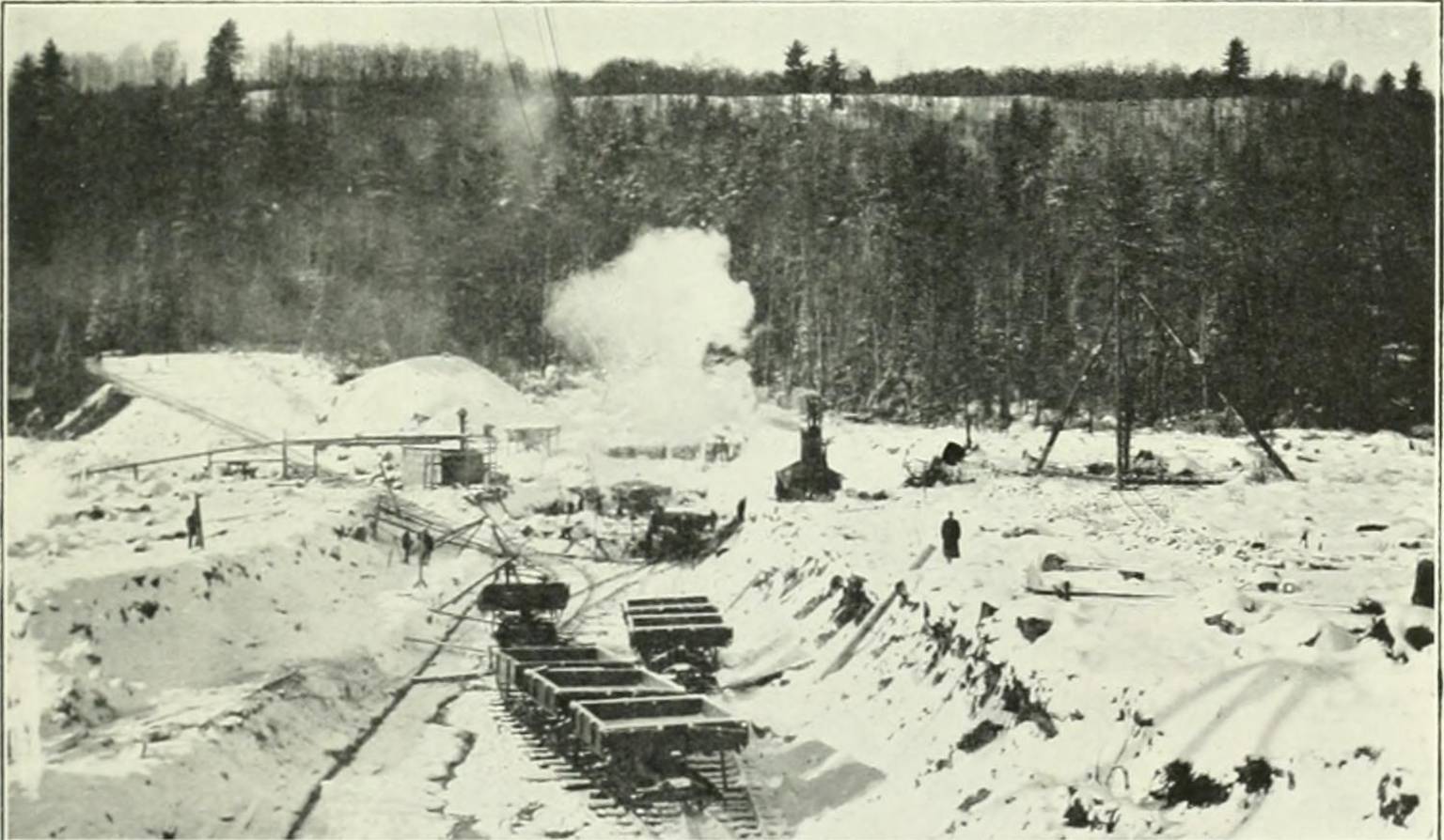
Most accidents occur in thawing dynamite. Dynamite freezes between 40 and 45 degrees Far., that is, 10 degrees above the freezing point of water, and although it does not explode, if heated slowly, until 320 degrees Far. is reached, yet the quick application of dry heat may explode it at 120 degrees Far. This makes it so dangerous, for a stick of powder hot enough to explode under certain conditions may be held in the hand with little inconvenience. Powder should be thawed by placing it in a water-tight vessel and the vessel set in hot water. It should never be placed on or under a stove, or in an oven, or on a boiler wall to thaw out, as is so often done by the unthinking. Frozen dynamite is especially liable to explode from heat quickly applied. Nevertheless, reckless men will continue to blow themselves to pieces by foolhardy carelessness.
Frozen powder is unfit for use. It will burn or smoulder, and some of it may be left in the drill hole to explode when it is not wanted to.


 Telegram at username
@rcdrun
Telegram at username
@rcdrun WhatsApp Business